The best first craft is the one you will actually pick up on a wet Tuesday evening. That has less to do with talent than with four practical things: space, mess, portability and patience.
Four questions to ask yourself
- Where will you do it? Some crafts live in a bag beside the sofa. Others need a table you can leave covered in paint, or a shed.
- How much mess can you live with? Yarn and thread tidy away in seconds. Clay, ink and wood shavings do not.
- Do you want to take it out with you? Crochet, knitting and cross stitch travel well on trains and to craft groups. A sewing machine does not.
- How soon do you want a finished thing? Some crafts give you a result in an evening. Others pay you back for weeks of patience.
With those answers in mind, here are fourteen crafts that suit beginners, each with a starter guide on CraftingUK.
Crafts for the sofa
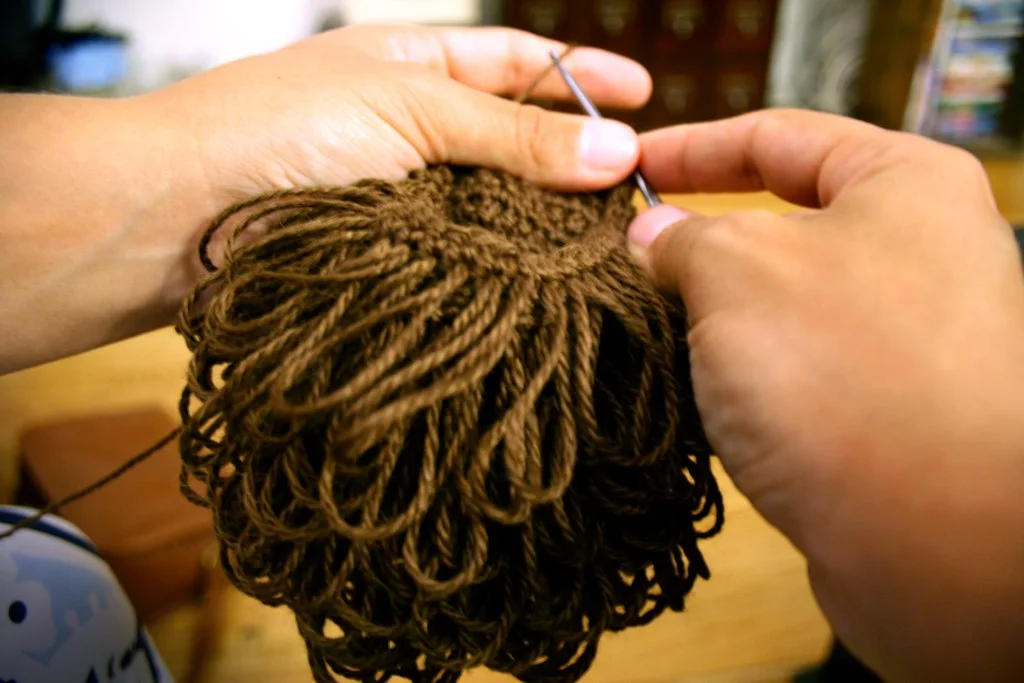
- Crochet. One hook, one ball of yarn, and only ever one live stitch, so you can put it down mid-row and nothing unravels. Our absolute beginner's guide to crochet starts you off with a 5mm hook and a light-coloured ball of DK or aran.
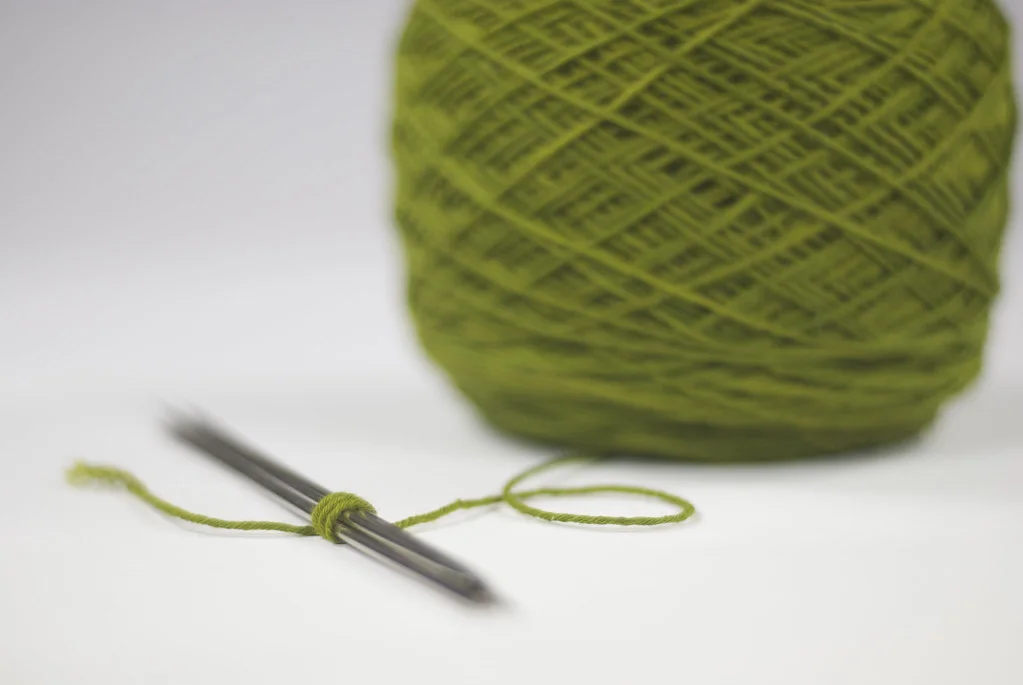
- Knitting. Two needles and two stitches, knit and purl, are behind almost everything. Learn to knit this weekend takes you through casting on and both stitches. British and American patterns use different words for the same things, so keep the UK and US conversion charts handy.
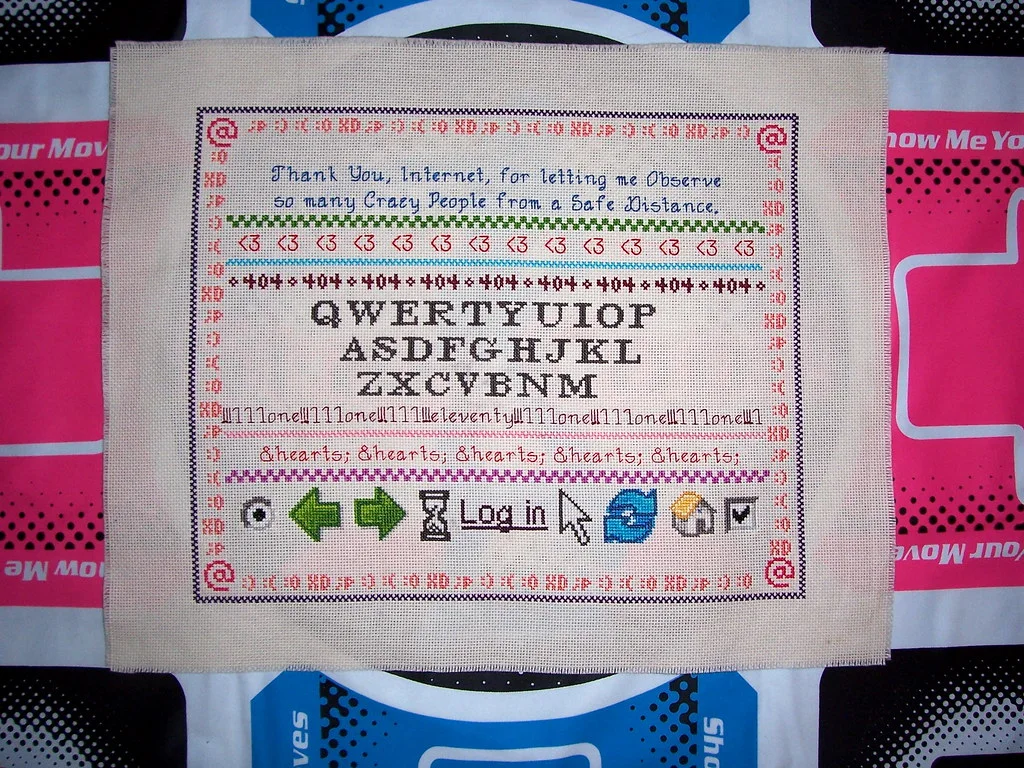
- Cross stitch. It is pixel art with thread. If you can count to ten and follow a grid, you can follow a chart. Start with cross stitch from zero.
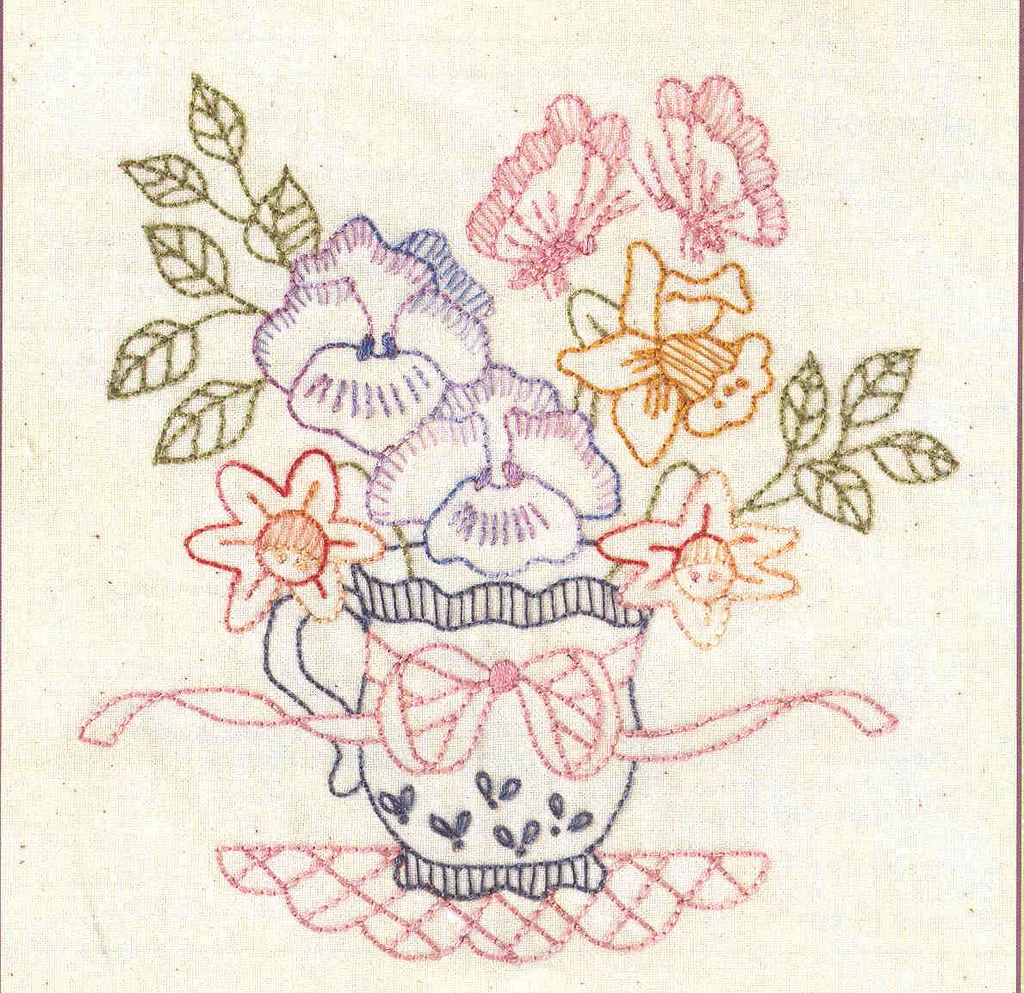
- Hand embroidery. A hoop, some fabric and a few skeins of thread. These six embroidery stitches will get you through most hoop patterns.
Crafts for a table and a free afternoon
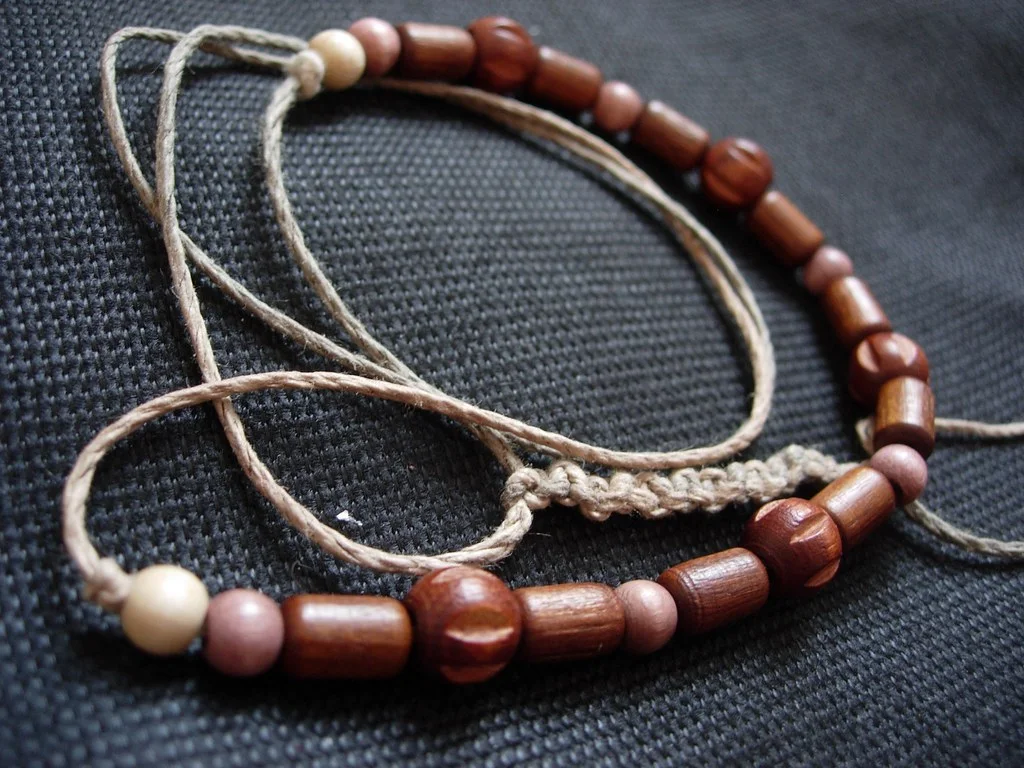
- Macramé. Knots, not needles. Three knots and a plant hanger is a realistic first evening.
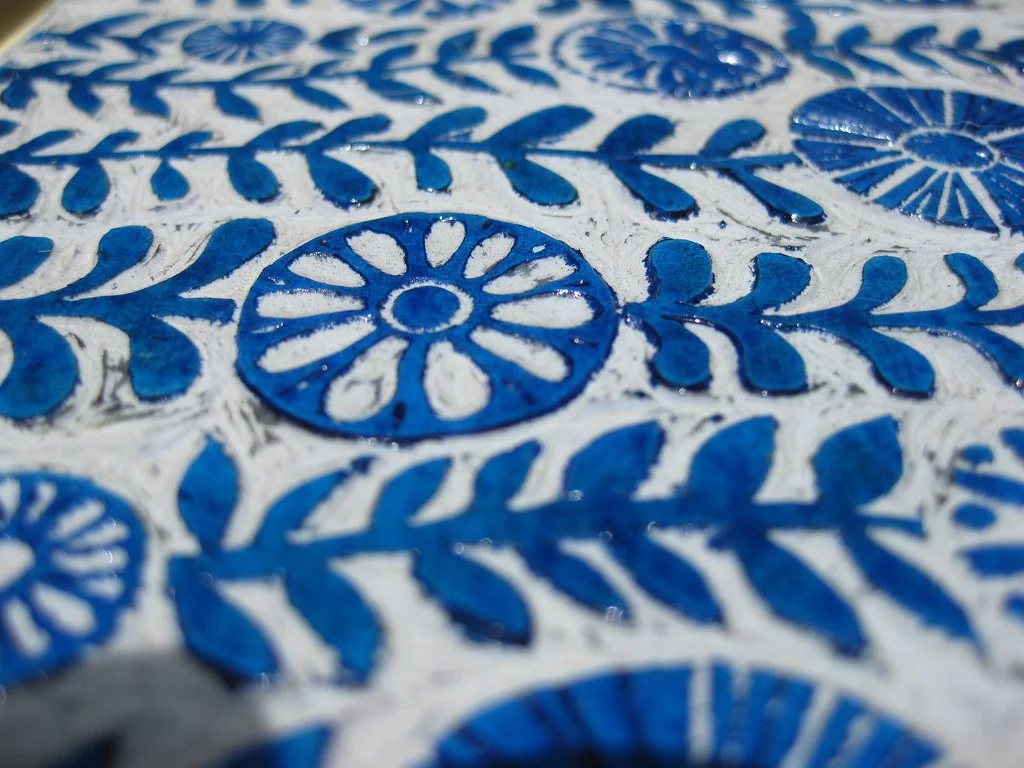
- Lino printing. Bold results from a kit that fits in a drawer. Lino printing at the kitchen table goes from the first cut to a small run of prints.
- Watercolour. Easy to start and hard to master. Watercolour for absolute beginners explains water control, and why cheap paper will make you think you are bad at it.
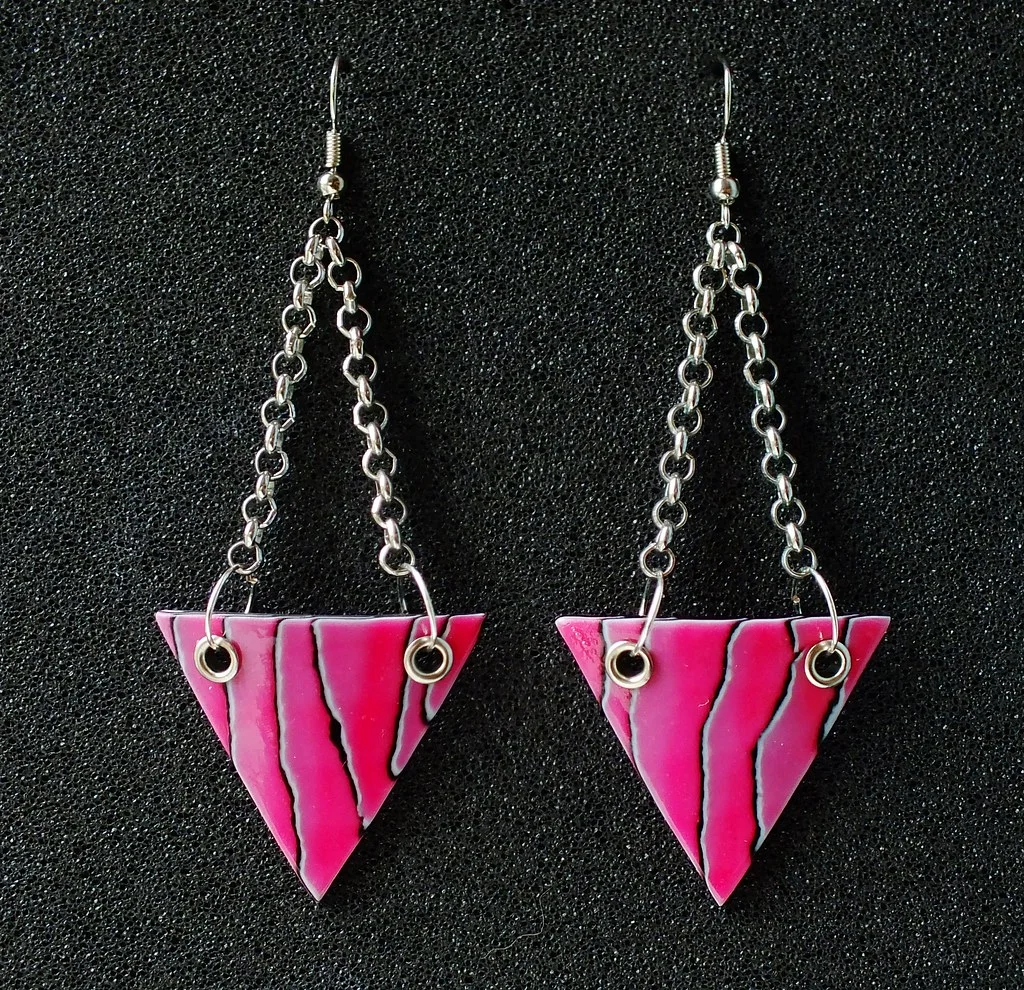
- Polymer clay. Inexpensive materials, quick results, and it hardens in a kitchen oven. Polymer clay earrings covers conditioning, baking and finishing.
- Origami and quilling. Paper is the cheapest material going. Origami foundations teaches the bases that most models start from, and paper quilling turns thin strips into a framed picture.
- Needle felting. Sculpting with wool and a barbed needle. It is slow, absorbing work, and making your first creature also explains how to keep your fingers out of the way.
Crafts that need more room or kit
- Sewing. You need a machine, an iron and somewhere to cut out, and you get clothes, bags and repairs in return. Begin with sewing machine basics.
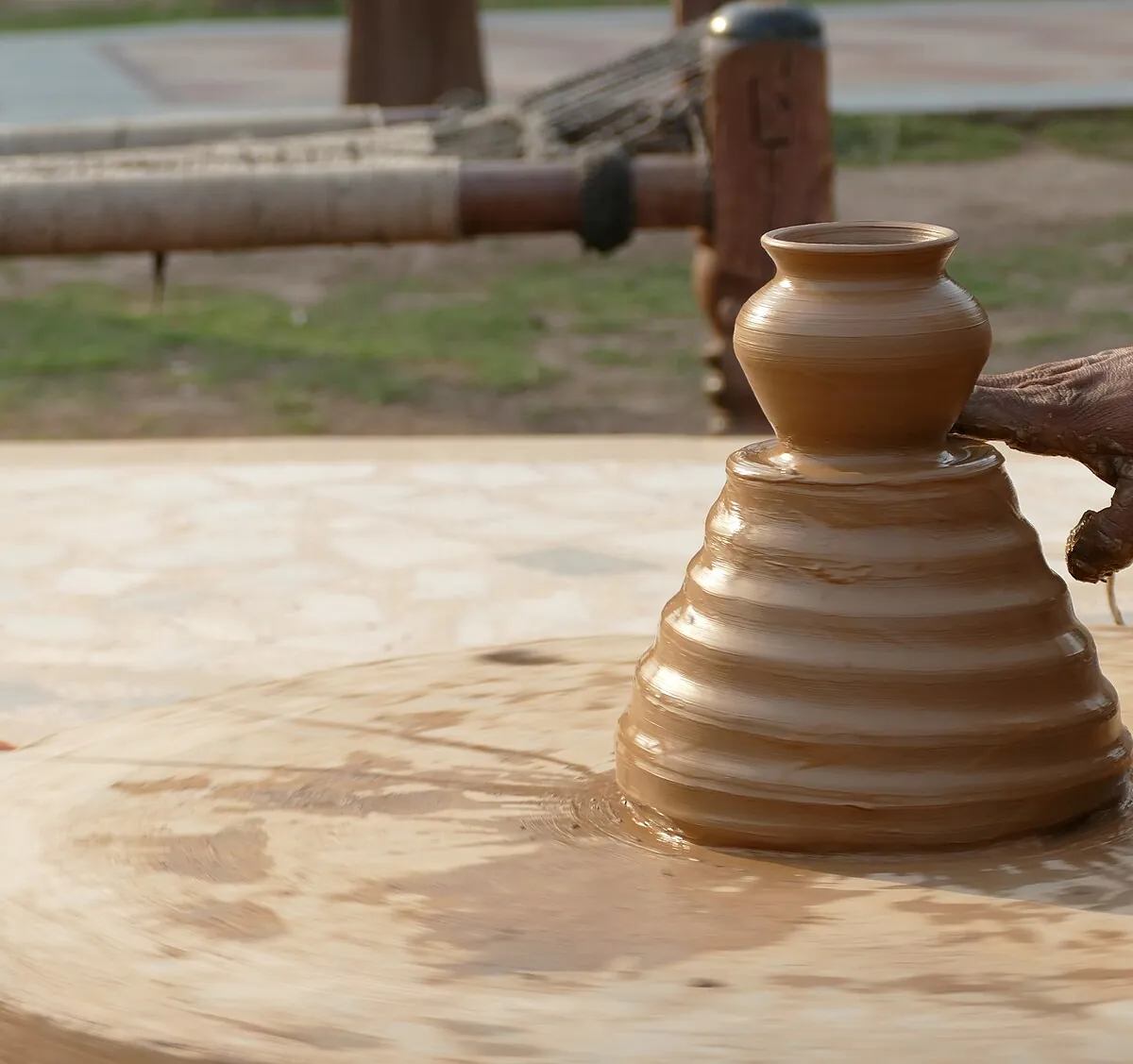
- Pottery. You can start without a wheel. Hand-building with clay covers pinch pots, coils and slabs. You will need access to a kiln, which usually means a local studio or class.
- Whittling. A knife, a hook knife and a green branch are enough for your first spoon. Expect wood shavings, and read the part about safe cuts before you start.
Still can't choose?
- Pick by the finished object. Choose the craft whose results you would actually use, wear or give away.
- Buy the minimum. One hook and one ball, not a 100-piece set. Every guide above has a short "You'll need" list, and that is all you have to buy.
- Give it three sessions. The first attempt at anything is wonky. Judge the craft on the third.
- Try it with other people. A taster workshop or a local craft group lets you have a go with someone on hand to ask, often with borrowed tools.
- Look around. There are more than two dozen craft corners here, from quilting and weaving to jewellery and candles and soap. See what other people are making before you decide.
When you finish your first piece, however lopsided, share it. The community guidelines are short, and the first one is to be kind. If you would like it to look its best, here is how to photograph it.
Starter kits for trying a new craft
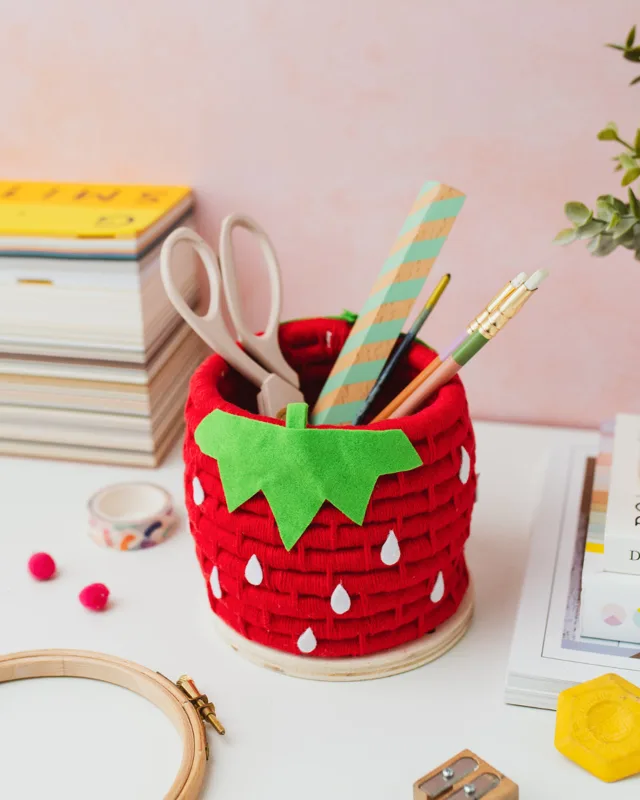
Craftiosity
The Strawberry Rope Pot craft kit
A kit for coiling cotton rope and red yarn into a strawberry-shaped storage pot, with felt details and step-by-step instructions.
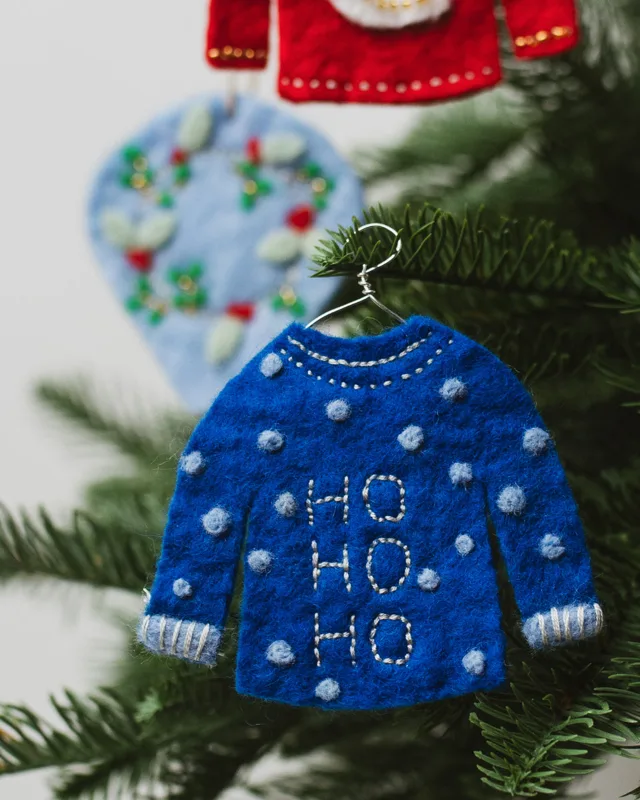
Craftiosity
Festive felting Christmas tree decorations kit
A needle-felting kit for making your own tree decorations.
heidifeathers
heidifeathers drop spindle hand spinning kit, bright merino
A beginner drop spindle with ten colours of merino tops and written instructions, enough to spin your first few small skeins.
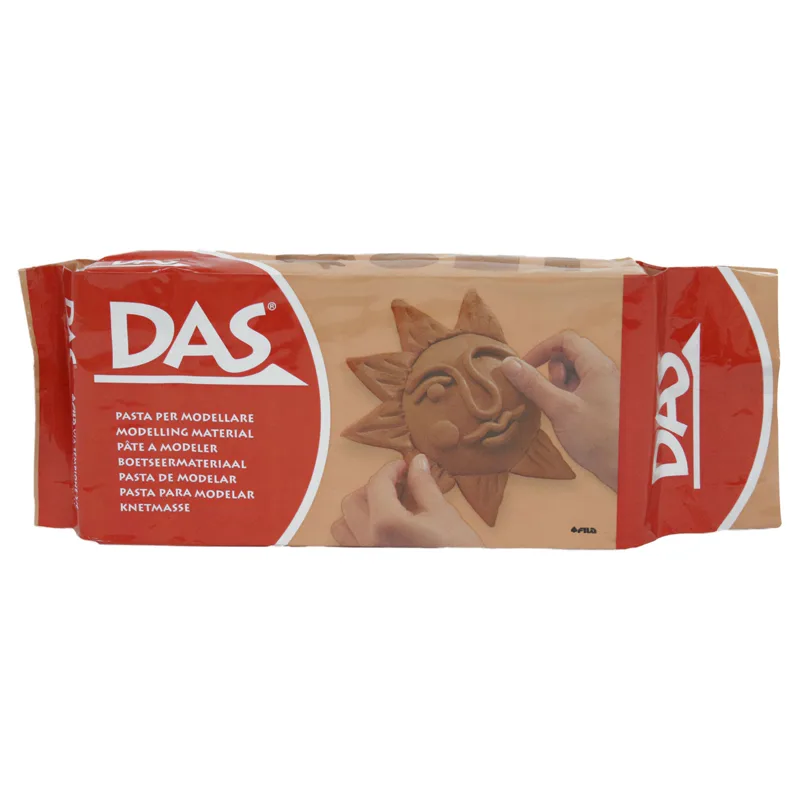
DAS (ARTdiscount)
DAS air-drying clay, terracotta, 1kg
Air-hardening clay that needs no kiln, so you can try pinch pots, dishes and small sculptures at the kitchen table.
DMC
DMC Woodland Glade cross stitch kit
A beginner kit with 14-count Aida, 13 skeins of DMC thread and a needle, small enough to finish in a few evenings.
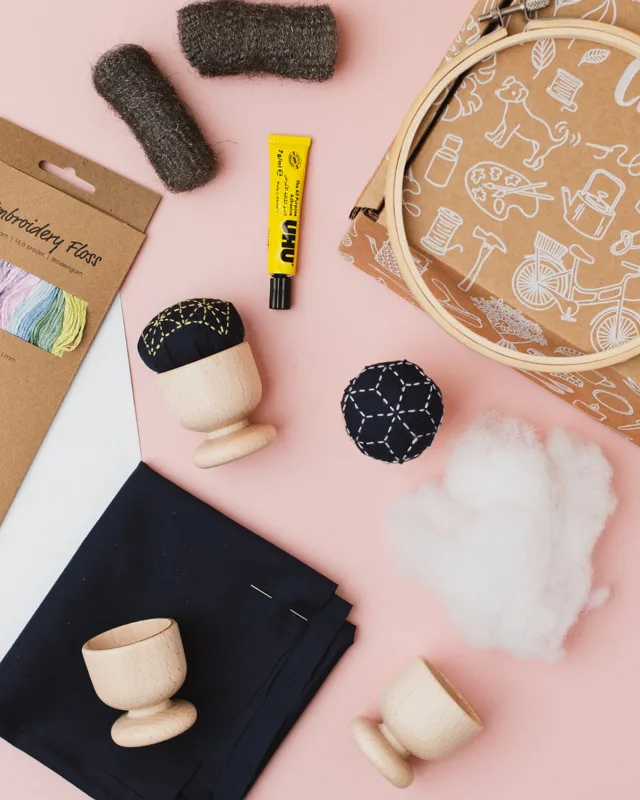
Craftiosity
The Sashiko pincushion craft kit
A small kit for learning sashiko, the Japanese running-stitch technique, that ends with a useful pincushion.
Affiliate links. If you buy through these links CraftingUK may earn a small commission at no extra cost to you. As an Amazon Associate we earn from qualifying purchases. We pick the kit ourselves, nobody pays to be listed, and we hide anything the shop shows as out of stock when we check each day. Prices change, so check the shop before you buy.