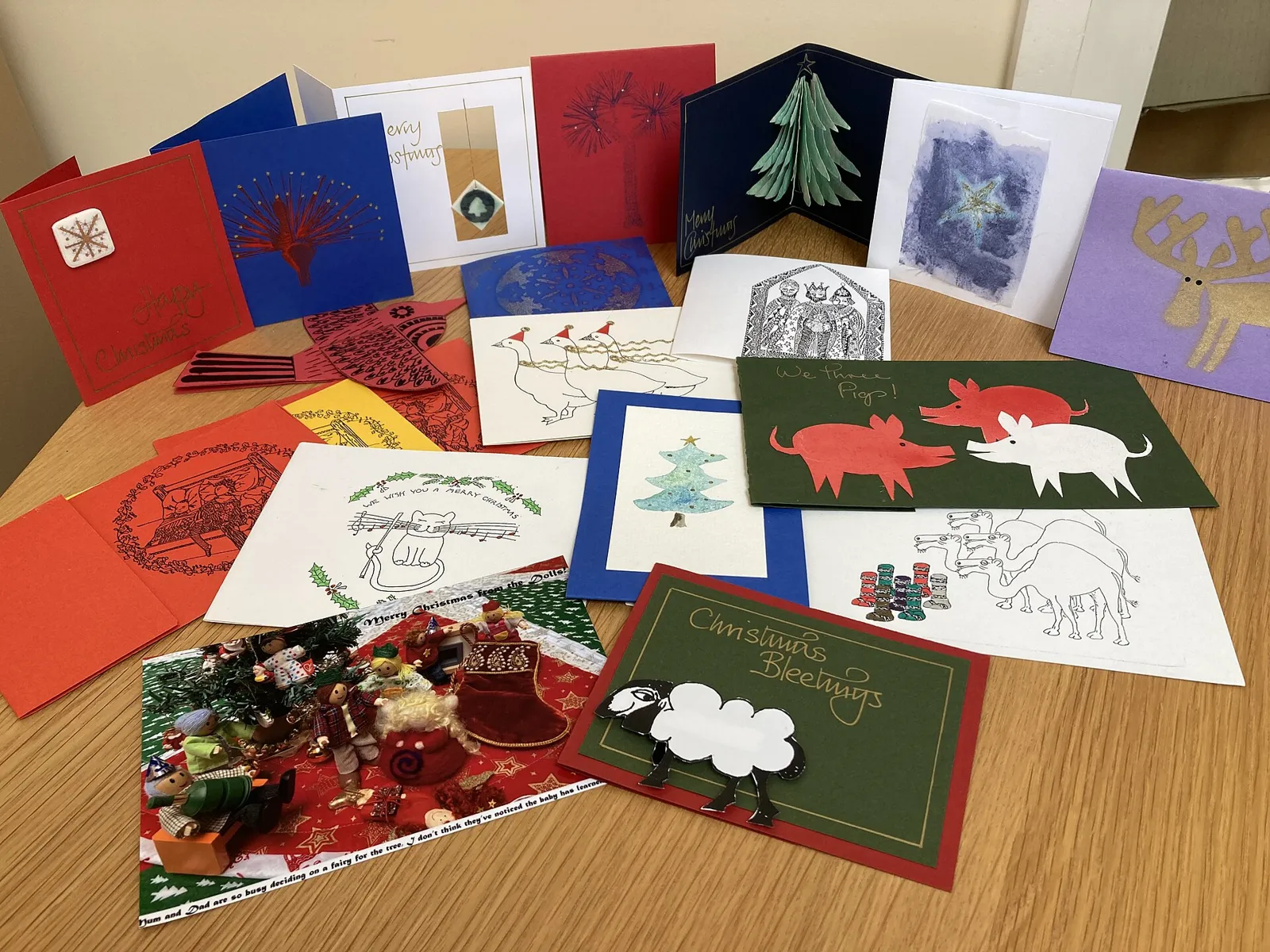
The trick with handmade Christmas cards is not to make twenty different cards. Choose one design you like, make a test card, then set up a little production line. It is surprisingly relaxing, and the people who receive them tend to keep them.
Sizes and envelopes first
Decide the size before you buy anything, because the envelope dictates it. The simplest system uses standard paper sizes:
- An A4 sheet of card cut in half gives two A5 pieces. Fold each in half and you have two A6 cards, which fit C6 envelopes.
- An A4 sheet folded once gives a single A5 card, which fits a C5 envelope.
- Square cards look lovely but need square envelopes, and large or unusual shapes can cost more to post. Check the size and thickness limits on the Royal Mail site before you commit to anything chunky.
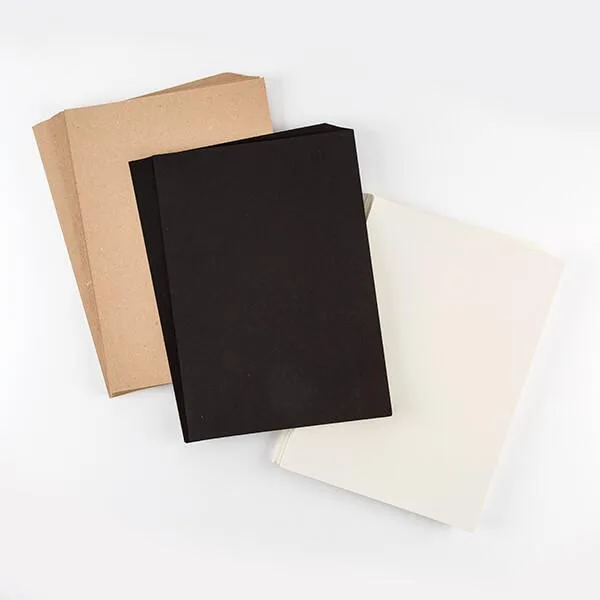
For the card blanks themselves, use something stiff enough to stand up. Card around 220 to 300gsm folds cleanly and holds its shape; thinner card flops on the mantelpiece. A pack of plain white A4 card at 225gsm is a good base, and a mixed pack such as black, kraft and pearl card gives you layers in contrasting colours.
Score before you fold
A crisp fold is what makes a card look shop-bought. Run a blunt point along a ruler where the fold goes (an empty ballpoint pen, a bone folder or the back of a butter knife all work), then fold along the line. Fold with the grain of the card if you can; it cracks less.
Five designs that batch well
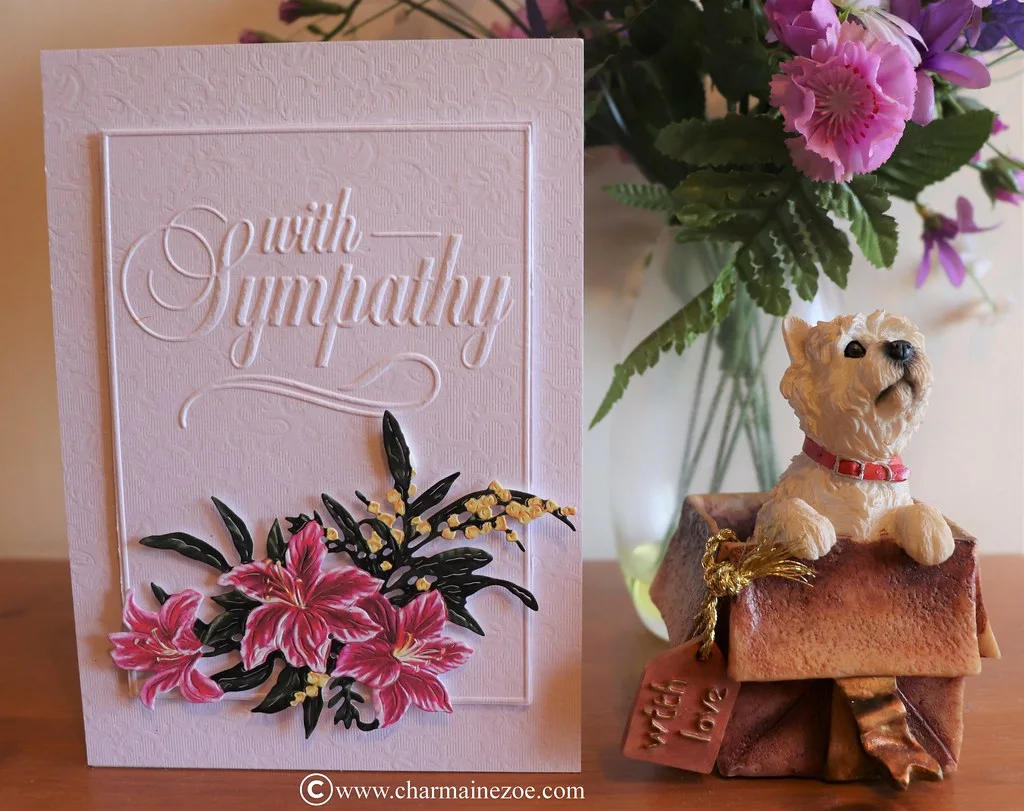
- Layered panel. A smaller rectangle of patterned or coloured card mounted on a slightly bigger one in a contrasting colour, stuck to the front of the blank. Add a stamped greeting or a sticker. It looks considered and takes minutes each. Our community guide to cards that don't look homemade explains the proportions that make layering work.
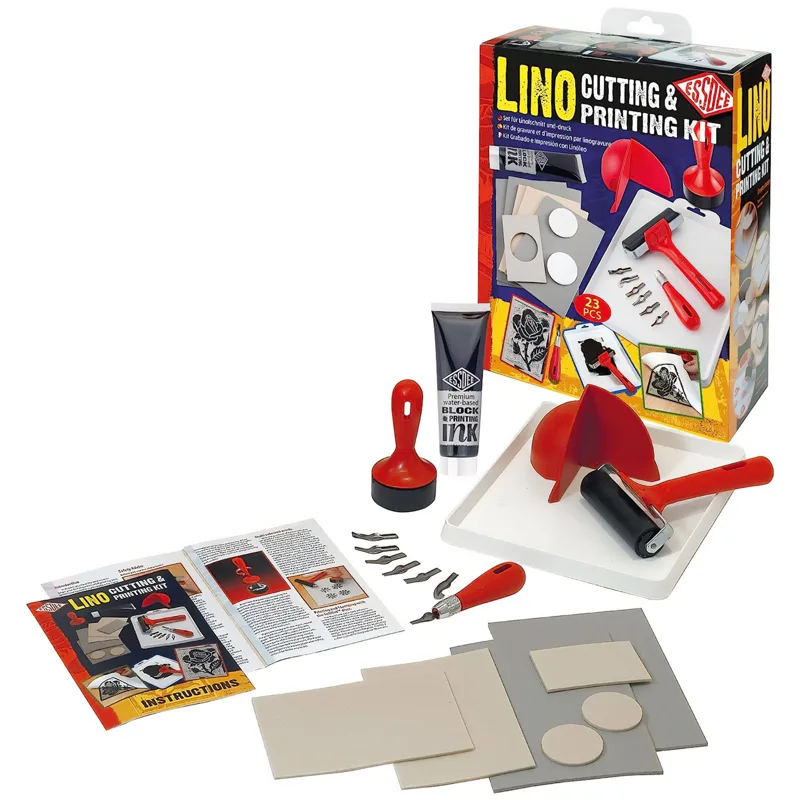
- Lino print. Carve one design, such as a robin, a tree or a star, and print it as many times as you like. Printing straight onto the card front is quickest; printing onto paper and mounting it lets you discard the smudged ones. A lino cutting and printing kit has the cutters, lino and ink to start. Always cut away from the hand holding the block.
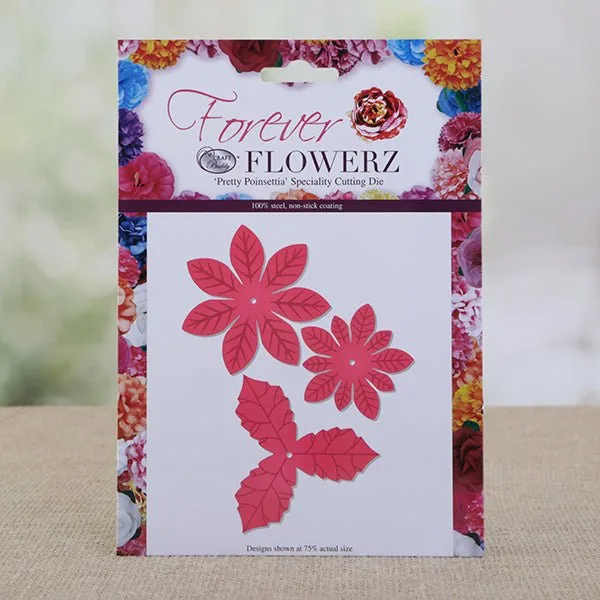
- Die-cut topper. If you already own a die-cutting machine, one die can make a whole batch of identical toppers. Layered flowers such as these poinsettia dies look rich in red and green card.
- Simple shapes. A row of three triangles cut from patterned paper becomes a forest. A circle and a strip becomes a bauble. Children can manage these with supervision.
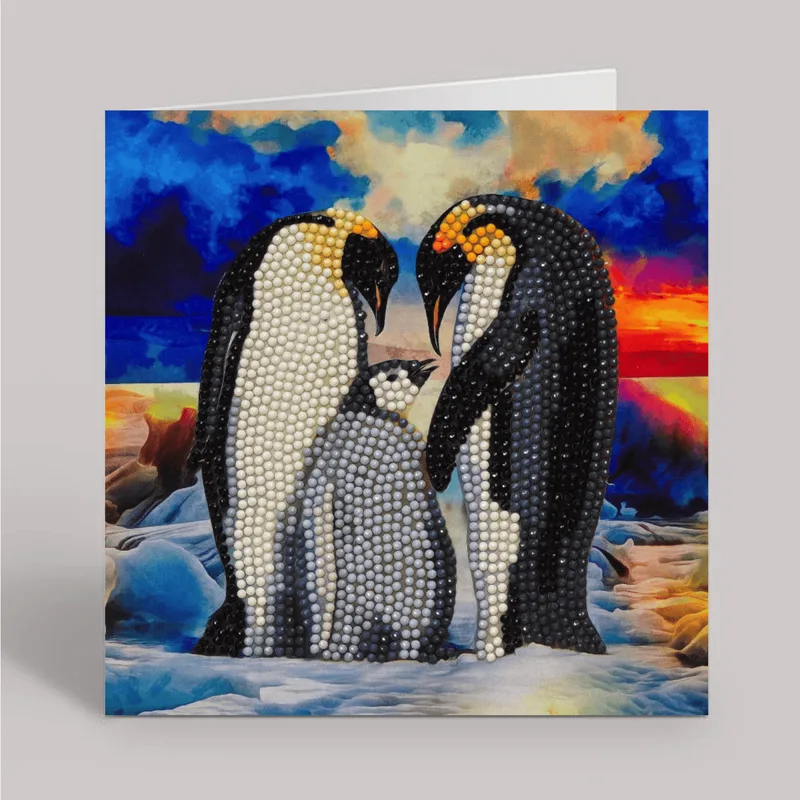
- A finished-kit card. Crystal art card kits come with the design and the gems, and make a sparkly card that older children can finish in an evening, such as this penguin family card kit.
Setting up a production line
Do one stage at a time across the whole batch: cut all the blanks, score and fold them all, cut all the panels, then stick them all down. You get faster with each repetition and the cards come out more consistent. Double-sided tape or a glue tape roller keeps layers flat; wet PVA can make thin paper ripple.
Leave the inside until last. If your handwriting is not something you love, stamp or print a greeting on a separate insert sheet and stick it in.
When to start
Earlier than you think, especially if any cards are travelling abroad. Royal Mail publishes recommended last posting dates for Christmas each year; check them and work backwards, allowing an evening or two for the inevitable "just a few more". Our community has a realistic planning calendar for handmade Christmas that helps you spread the making out.
Supplies and more ideas
Our sister site Craft Shop Direct has a paper and card making guide for UK shoppers, and a page of seasonal craft supplies. If you have family in the US or Canada making cards too, point them to CraftShop Direct's paper crafts page for North American suppliers. Their paper sizes are different (US Letter rather than A4), so A-size envelopes can be harder to find there.
Made a batch you are proud of? Share a photo on CraftingUK. Other makers love seeing a design repeated twenty times.
Card making kit we'd recommend
Hawksbill
A4 white card, 225gsm, pack of 100
Plain white A4 card heavy enough to fold into card blanks or print your own designs onto.
Craft Buddy
100 sheets of premium card: black, kraft and pearl
A mixed pack of black, kraft and pearl card for card bases and matting layers.
Marsrock
Double-sided glue tape rollers, 6 pack
Tape runners for sticking layers of card and photos down flat without wet glue.
Craft Buddy
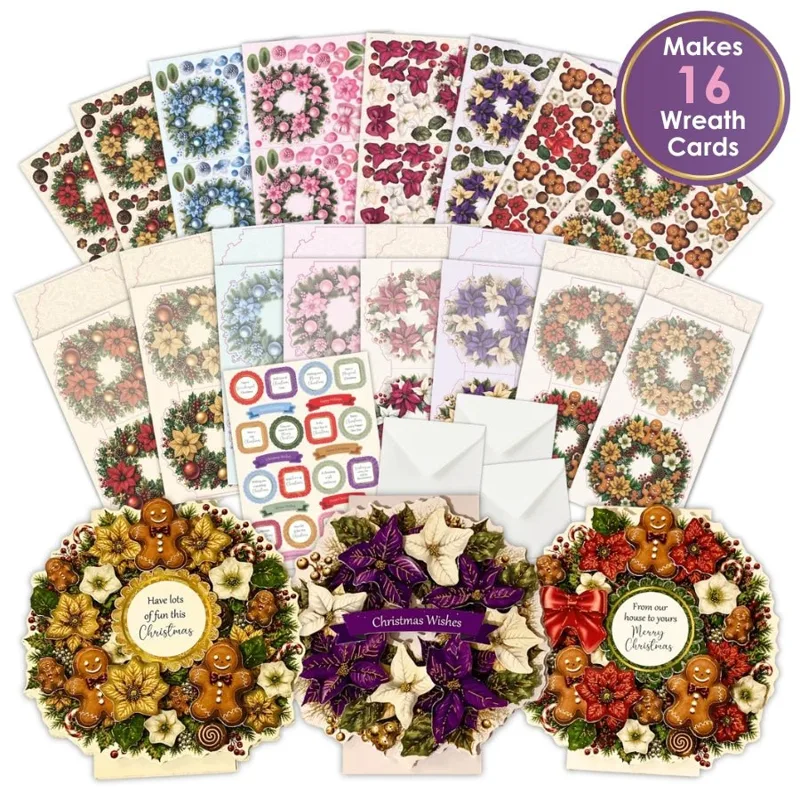
Christmas to Remember wreath card making kit
A papercraft kit for sixteen small wreath-shaped Christmas cards, with the printed toppers and card already chosen for you.
Essdee (ARTdiscount)
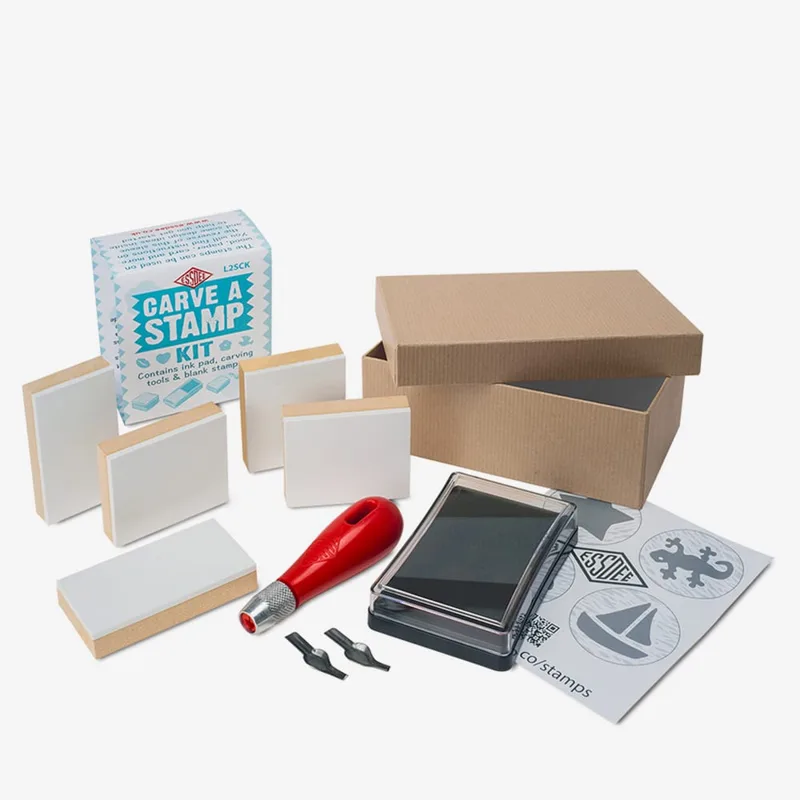
Essdee Carve a Stamp kit
Five blank stamp blocks, two V-shaped cutters, a handle and an ink pad, enough to carve your own stamps for cards and gift tags.
Essdee (ARTdiscount)
Essdee lino cutting and printing kit
A starter printmaking kit with lino, cutters and ink for making your own prints and Christmas cards.
Craft Buddy
Forever Flowerz Pretty Poinsettias die set
Cutting dies for layered paper poinsettias, for Christmas cards and wreaths if you already own a die-cutting machine.
Craft Buddy
Penguin Family crystal art card kit, 18 x 18cm
A diamond-painting style card kit that older children and adults can finish in an evening.
Affiliate links. If you buy through these links CraftingUK may earn a small commission at no extra cost to you. As an Amazon Associate we earn from qualifying purchases. We pick the kit ourselves, nobody pays to be listed, and we hide anything the shop shows as out of stock when we check each day. Prices change, so check the shop before you buy.