Origami foundations: the bases every model is built on
Square base, waterbomb base, bird base, kite base. Learn these four and follow any intermediate diagram.
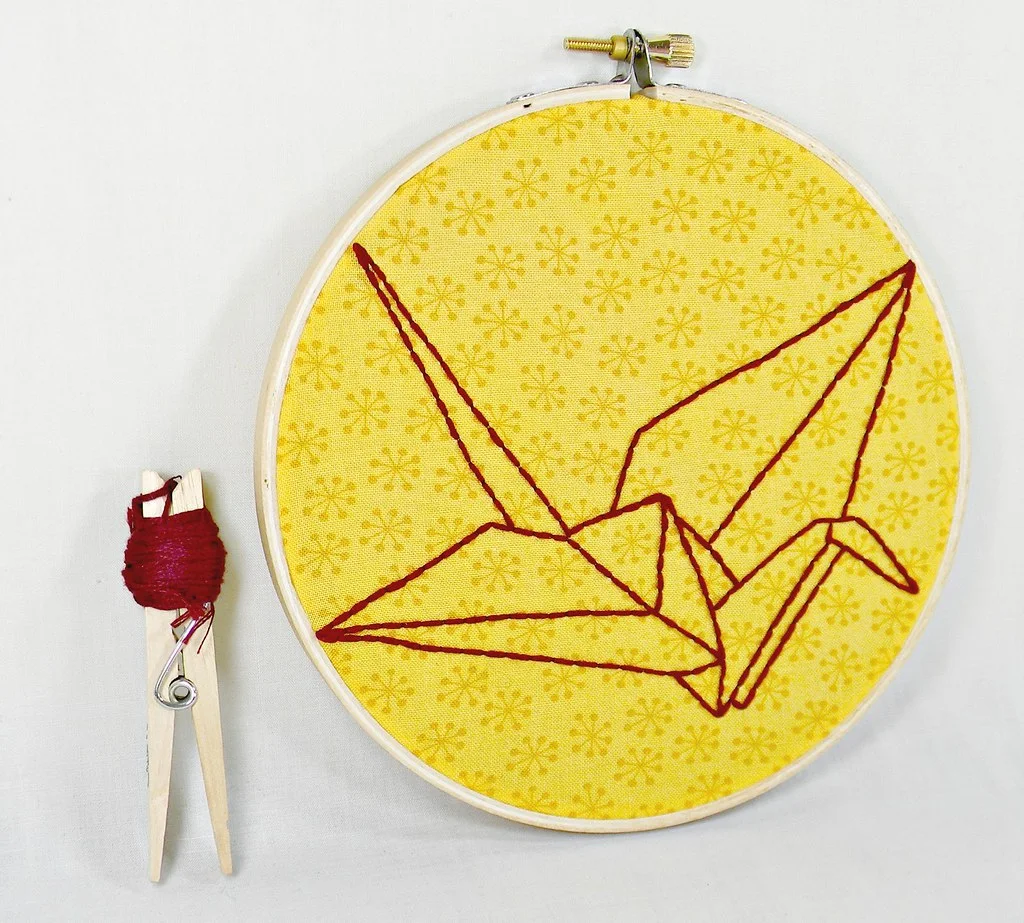
Nearly every traditional origami model starts from one of a handful of bases. Learn them and diagrams stop looking like hieroglyphics.
Paper
Start with 15cm kami, thin and crisp. Printer paper cut square works for practice. Fold on a hard table with clean hands; every crease should be made once, firmly, with a fingernail.
The folds
- Valley fold: the paper folds towards you, making a V.
- Mountain fold: away from you, making a ridge.
- Squash, petal, reverse folds: you'll meet these inside the bases below.
The four bases
- Kite base: fold diagonally, then fold two edges to the centre line. Fish, simple birds, swans.
- Waterbomb base: crease both diagonals, then fold in half and collapse into a triangle. Balloons, lilies, the classic frog.
- Preliminary (square) base: the same creases but collapsed the other way, into a small square. The start of the crane.
- Bird base: from the preliminary base, petal-fold front and back. The crane, flapping bird and dozens of others.
Reading diagrams
Dashed lines are valley folds, dash-dot lines are mountain folds. An arrow with a loop means turn over. Look at the next step to see what the current one should produce.
First models to try
The crane, a jumping frog, a simple box (masu), and a modular sonobe cube from six units.
Fold a crane a day for a week and watch them get sharper. Post day one and day seven side by side.
0 comments
Log in to join the conversation.