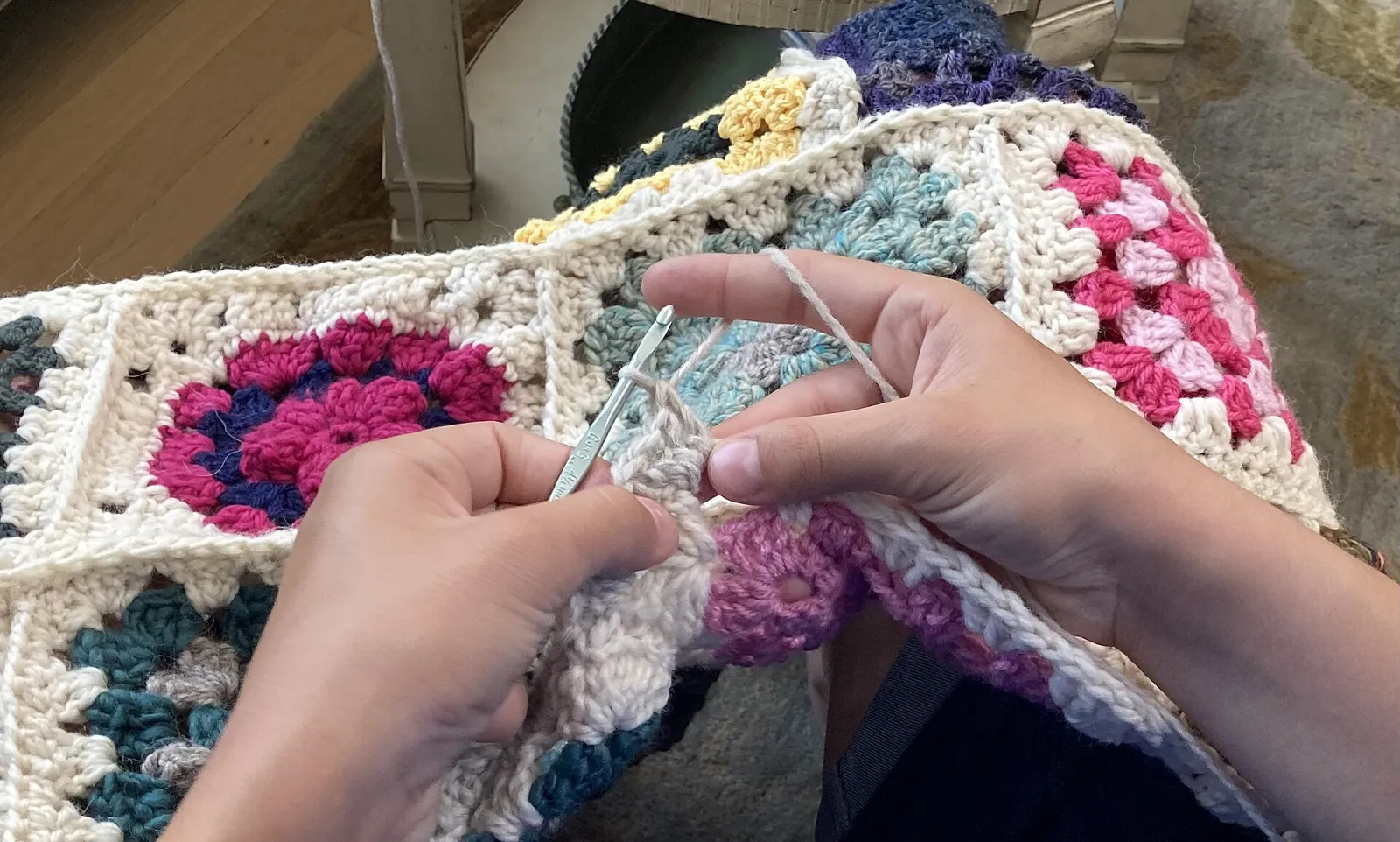
Crochet needs less kit than almost any other yarn craft. One hook and one ball of yarn will carry you through your first chain, your first row and your first wonky square. What catches British beginners out is something else entirely: a lot of the videos and patterns online are American, and the two countries use the same stitch names for different stitches.
The one thing to understand first: UK and US terms
A UK double crochet is a US single crochet. A UK treble is a US double crochet. A UK half treble is a US half double crochet. Each UK name is one step "taller" than the US stitch it matches, and the stitches themselves are identical. Only the labels differ.
This matters because a pattern written in US terms and worked in UK stitches will come out taller, looser and the wrong size. Before you start any pattern, look for a line near the top that says which terms it uses. If it does not say, a quick clue is the shortest stitch: if the pattern mentions "single crochet" or "sc", it is American, because UK patterns do not use that name.
Our UK and US conversion chart has the full list of stitches, hook sizes and yarn weights on one page, and the UK/US switch at the top of every CraftingUK page will flip the stitch names on community patterns for you.
Your first hook
Hooks in the UK are sold in millimetres. For a first project, pick a 4mm hook. It suits double knit (DK) yarn, which is the most common weight in British shops, and it is big enough to see what you are doing without being clumsy.
The handle matters more than the brand. Plain aluminium hooks are cheap and work fine, but if you hold the hook like a pencil and grip hard, as most beginners do, a hook with a soft handle and a flat thumb rest is kinder to your hand over an evening. The Clover Soft Touch 4mm is a common first choice for exactly that reason.
You do not need a full set yet. Buy a second size when a pattern asks for one.
Your first yarn
Choose a smooth, light-coloured DK yarn. Smooth so the hook does not snag, light so you can see each stitch, and DK so it matches the 4mm hook. Acrylic is fine to learn with: it is inexpensive, washable and forgiving when you pull out rows to try again, which you will.
Avoid these for a first go:
- Black or very dark yarn, where the stitches disappear.
- Fluffy yarns such as mohair or "eyelash" novelty yarn, which hide the stitch tops and are hard to unpick.
- Very thin yarn, which makes every mistake fiddly.
The small extras worth having
Beyond hook and yarn, a pair of sharp scissors, a blunt-ended tapestry needle for sewing in ends, and a handful of stitch markers will cover you. Markers sound optional but they save a lot of counting. Clip one into the first stitch of each row or round and you will always know where the row starts. A pot of locking stitch markers lasts for years and works for knitting too.
What to make first
Most people learn faster with a small project they can finish than with endless practice rows. Good first makes:
- A chain and a few rows of double crochet. Twenty chains, then rows of UK double crochet until the piece is square. It becomes a coaster or a dishcloth.
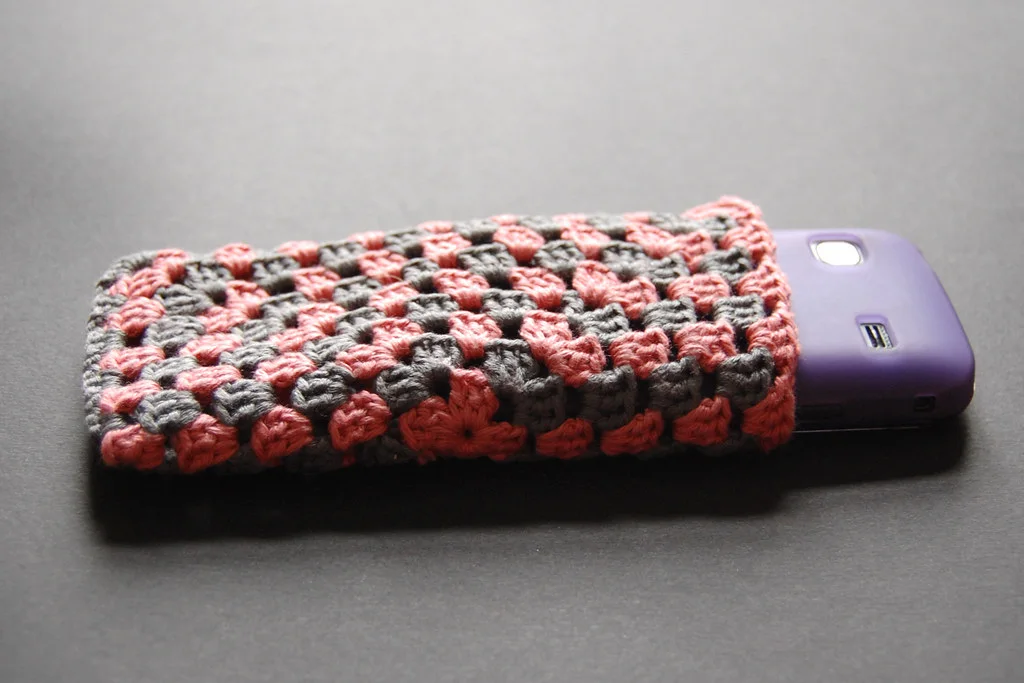
- A granny square. It teaches working into a ring, chain spaces and trebles, and squares join into blankets later. Our community has a step-by-step granny square guide.
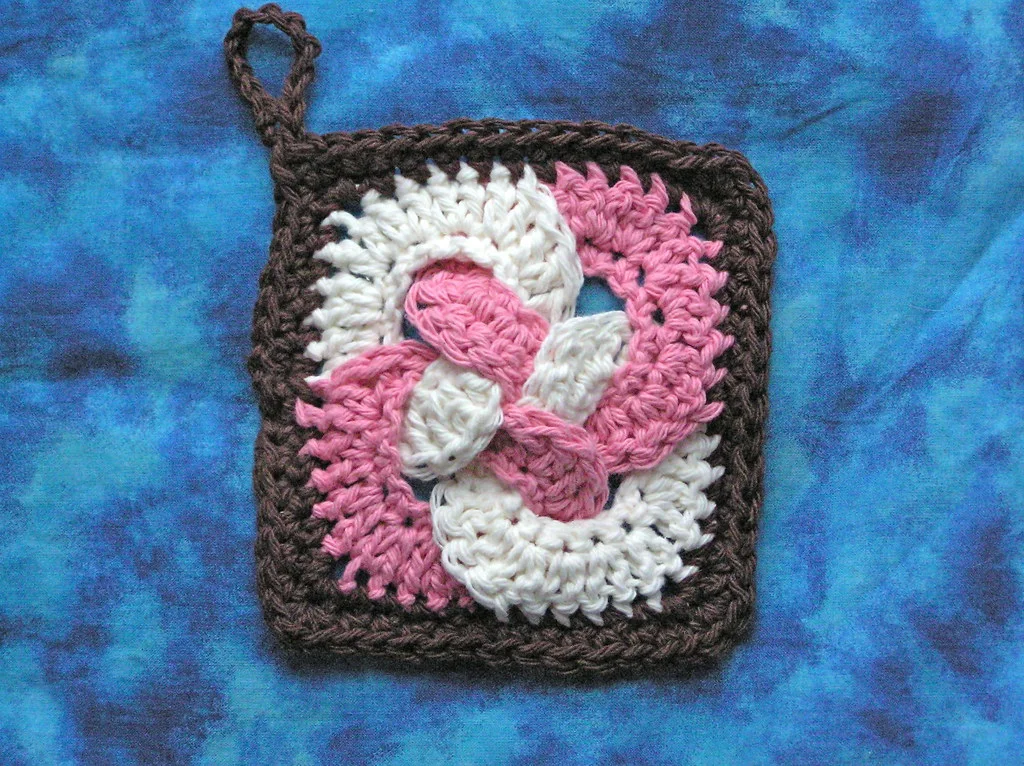
- A cotton dishcloth. Cotton shows stitches clearly and the finished cloth is useful even if it is a bit uneven.
- A small amigurumi toy, if you are patient. Amigurumi uses tight double crochet in spirals and teaches you to count. A boxed kit such as this highland cow crochet kit takes away the job of matching yarn, hook and pattern.
Common beginner problems and what causes them
The work gets narrower or wider. You are missing the last stitch of the row or adding one at the start. Put a marker in the first and last stitch of each row and count until it becomes habit.
The first chain is too tight to work into. Very common. Make the foundation chain with a hook one size up, then switch back.
Everything curls. Usually tension that is tight in some rows and loose in others. It evens out with practice; a gentle press with a steam iron held above the work (not touching acrylic) or wet blocking a cotton piece can help.
The pattern makes no sense. Check the terms first. Then read the abbreviations list. Our guide on how to read a crochet pattern walks through the usual shorthand.
Where to get help
Most towns have a knit and natter or crochet group, often in a library, café or yarn shop, and the people there are generally delighted to look at a beginner's tangle. Our article on finding a craft group near you has ideas for tracking one down. You can also post a photo of your work on CraftingUK and ask; describe which stitch you think you are doing and which terms your pattern uses.
If you would like a straightforward shopping list for yarn and hooks from UK shops, our sister site Craft Shop Direct has a knitting and crochet supplies guide and a granny square project. Readers in the US or Canada can find North American suppliers on CraftShop Direct's knitting and crochet page, though remember their patterns will be in US terms.
When you finish something, however lopsided, share it on CraftingUK. Everyone's first square was wonky.
Crochet kit we'd recommend
Clover
Clover Soft Touch crochet hook, 4mm
A 4mm hook with a flat thumb rest, the size most DK patterns ask for and a comfortable first hook to learn on.
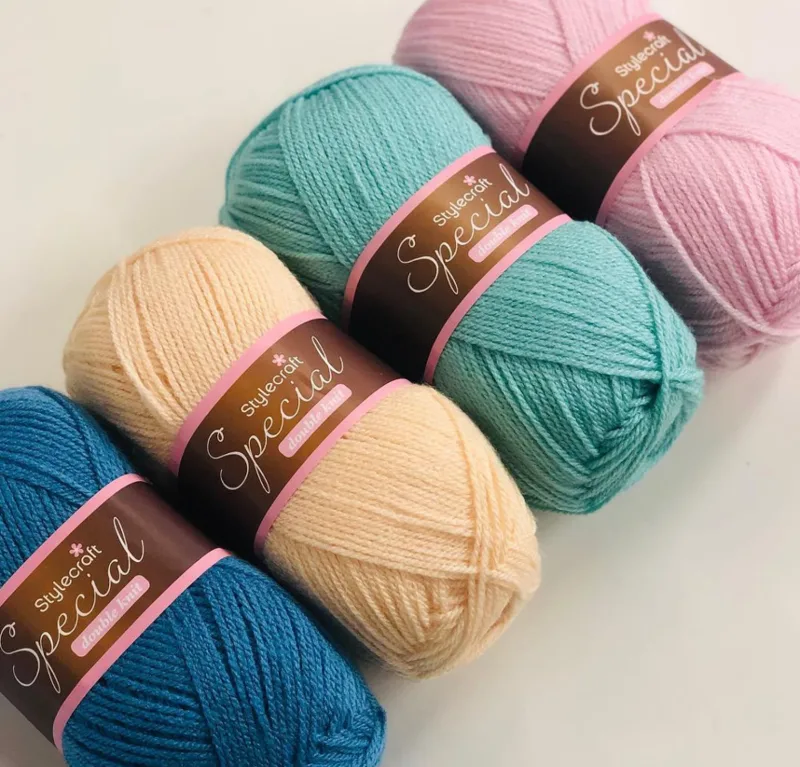
Stylecraft (The Great British Yarn Company)
Stylecraft Special DK, 100g ball
A hard-wearing acrylic DK in well over a hundred shades, the yarn behind a great many UK blanket and granny-square patterns.
Jatidne
120 locking stitch markers in a storage box
Locking markers in ten colours for marking the first stitch of a round, a pattern repeat or a place to pick up later.
Crochet Box
Highland cow crochet kit for beginners
An amigurumi starter kit with yarn and instructions, for anyone who would rather learn by making something small and finished.
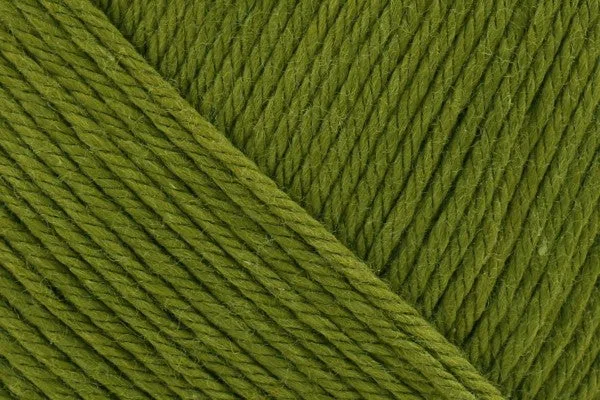
Stylecraft (The Great British Yarn Company)
Stylecraft Naturals Bamboo + Cotton DK
A soft plant-fibre DK that shows stitches clearly and is machine washable, a good pick for summer tops, baby things and amigurumi.
Clover
Clover Amour crochet hook set, 2mm to 6mm
Ten soft-handled hooks in a case, the upgrade many people make once they know crochet is staying.
Affiliate links. If you buy through these links CraftingUK may earn a small commission at no extra cost to you. As an Amazon Associate we earn from qualifying purchases. We pick the kit ourselves, nobody pays to be listed, and we hide anything the shop shows as out of stock when we check each day. Prices change, so check the shop before you buy.