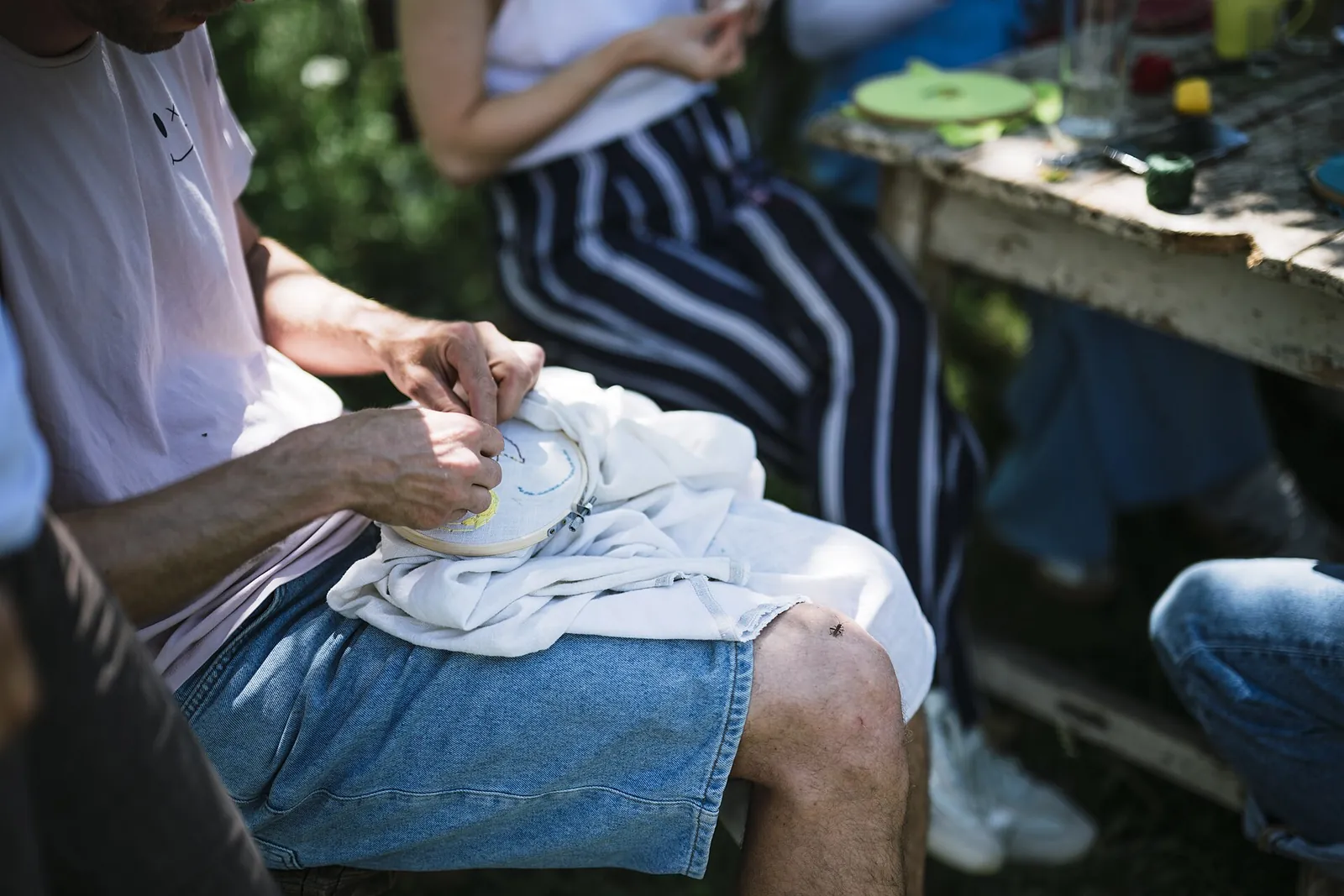
Making things on your own is fine. Making things in a room full of other people who are making things is how you find out the trick for the bit you were stuck on. Craft groups meet all over the UK, in libraries, cafés, church halls and the back rooms of yarn shops. Here is how to find one.
Where to look
- Craft shops. Yarn shops, haberdasheries, fabric shops and art shops often host a weekly group, and when they don't they usually know who does. Ask at the till and read the noticeboard.
- Libraries and community centres. Many run regular drop-in sessions, and their noticeboards list the groups that hire their rooms.
- Online listings. Search for your town with "knit and natter", "craft and chat", "stitch group" or "crafternoon". Local Facebook groups, Meetup and Eventbrite are the usual places to find listings, and Ravelry has local groups for knitters and crocheters.
- Classes and studios. Adult education courses, pottery studios and print workshops come with a tutor and the equipment. People who meet on a course often carry on meeting afterwards.
- Repair cafés. If mending is your thing, these volunteer-run sessions are usually glad of people who can sew.
National organisations with local groups
- The Women's Institute (WI). Local WIs meet in towns and villages across the country, and craft has long been part of what they do.
- u3a. For people who are no longer in full-time work. Members run their own interest groups, and craft groups are common.
- The Knitting & Crochet Guild. A membership organisation with local branches.
- The Quilters' Guild of the British Isles. Organised by region, with local groups.
- The Association of Guilds of Weavers, Spinners and Dyers. The umbrella body for local guilds around the country.
- Men's Sheds. Community workshops, mostly for woodwork and repairs. Each shed sets its own rules, and some are open to everyone.
Guilds tend to be more structured than a café group. Expect a membership fee, a programme of talks and workshops, and sometimes an annual exhibition.
What to expect on your first visit
Most groups are informal. You bring whatever you are working on, find a seat, and make and chat for a couple of hours. Nobody is teaching, but if you get stuck someone will nearly always lean over and help.
- Message the organiser first. Ask whether beginners are welcome, whether you need to book, and whether there is a charge. Some groups are free, some ask for a small contribution towards the room, and café groups generally expect you to buy a drink.
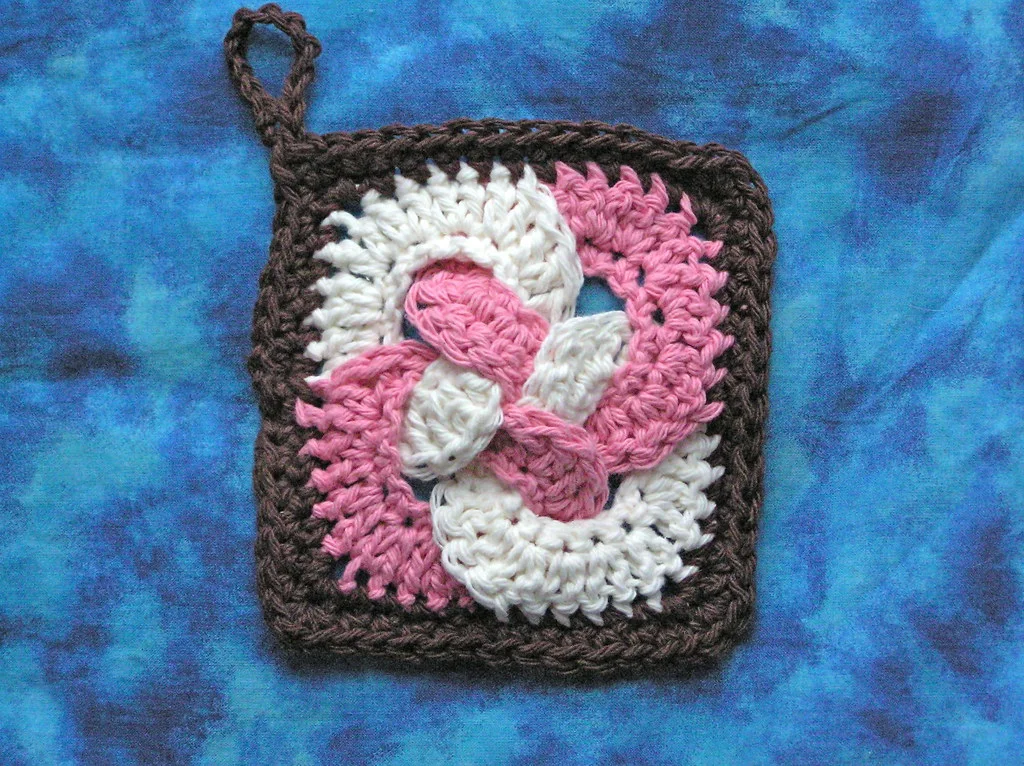
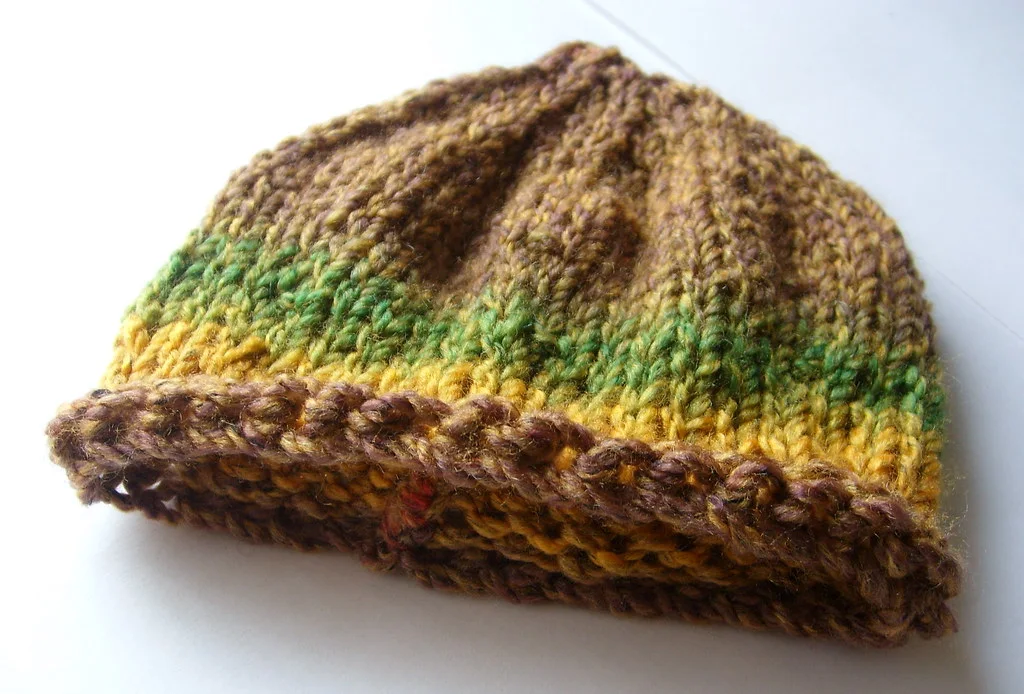
- Take a simple project. Plain rows you can work while talking are better than a complicated chart. Our textured cotton dishcloth and two-evening chunky beanie are both good company.
- Say that you are new. Crafters love showing people how they do things.
- Go more than once. The first visit to any group is slightly awkward. Give it two or three before you decide.
Not sure which craft to take along? Which craft should I start? compares fourteen that suit beginners.
No group nearby? Start one
- Find a venue. A café with a big table and a quiet afternoon, a library, a community room or a pub on a slow night. Ask before you turn up with ten people. Most places are glad of regular custom at a quiet time.
- Fix a regular slot. The same place, day and time, such as the first Tuesday of the month. Being predictable matters more than meeting often.
- Keep it simple. Bring your own project, no membership, no agenda.
- Tell people. Put a poster up in the venue, the library and the nearest craft shop, and post in the local Facebook group.
- Turn up every time. Even when only two of you come. Groups grow by word of mouth, and that takes time.
Once the group has settled, you can add the extras: skill swaps, a stash swap, making for a local charity, or sharing a table at a craft fair.
Between meetings
An online community is no substitute for a room full of people, but it is there at eleven at night when you are stuck on a heel turn. On CraftingUK you can share what you are making, ask questions in the comments, and pin your version of someone else's project to the Made it! wall. The knitting and crochet corners have the most to read, and every other craft has a corner too. Joining is free.
For carrying a project to your group
FiNeWaY
FiNeWaY large knitting bag with clear lid
A zipped yarn bag with pockets for needles and hooks, so a project in progress can travel without unravelling.
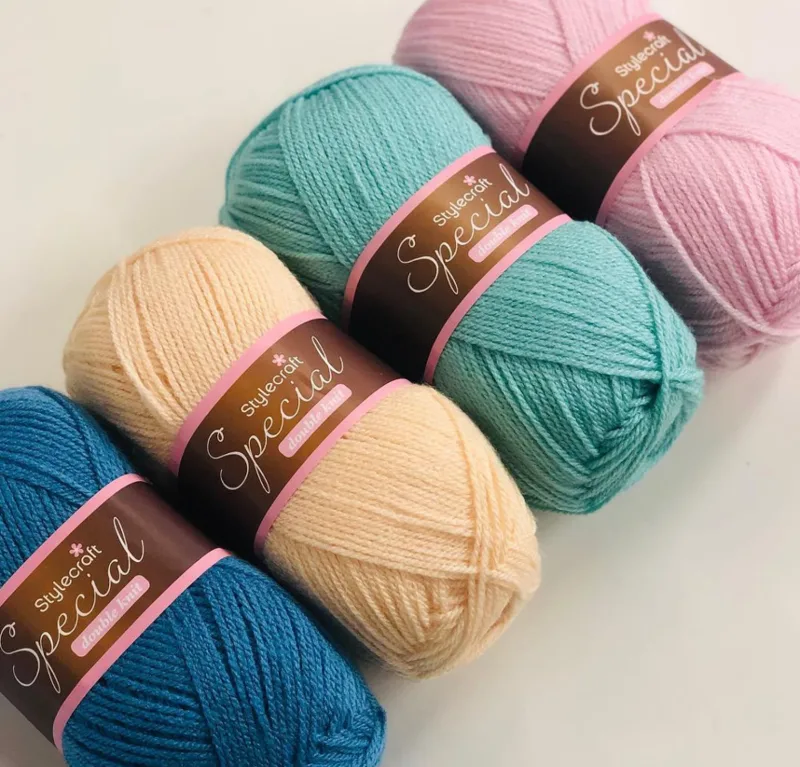
Stylecraft (The Great British Yarn Company)
Stylecraft Special DK, 100g ball
A hard-wearing acrylic DK in well over a hundred shades, the yarn behind a great many UK blanket and granny-square patterns.
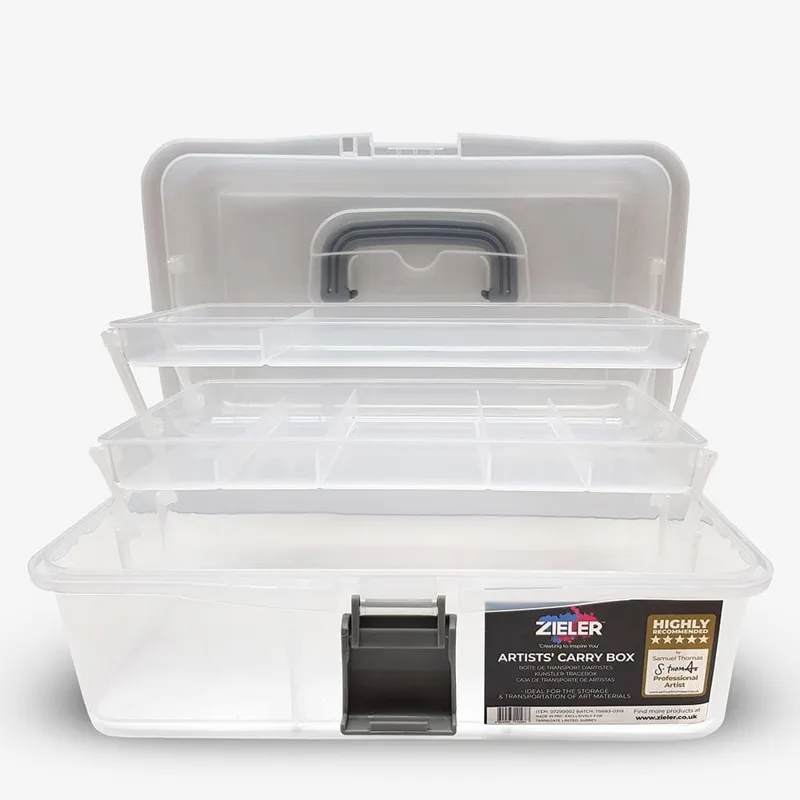
Zieler (ARTdiscount)
Zieler artists' storage caddy box
A translucent carry box with two folding trays and a deep base, for keeping brushes, pens and small tools together between home and class.
Affiliate links. If you buy through these links CraftingUK may earn a small commission at no extra cost to you. As an Amazon Associate we earn from qualifying purchases. We pick the kit ourselves, nobody pays to be listed, and we hide anything the shop shows as out of stock when we check each day. Prices change, so check the shop before you buy.