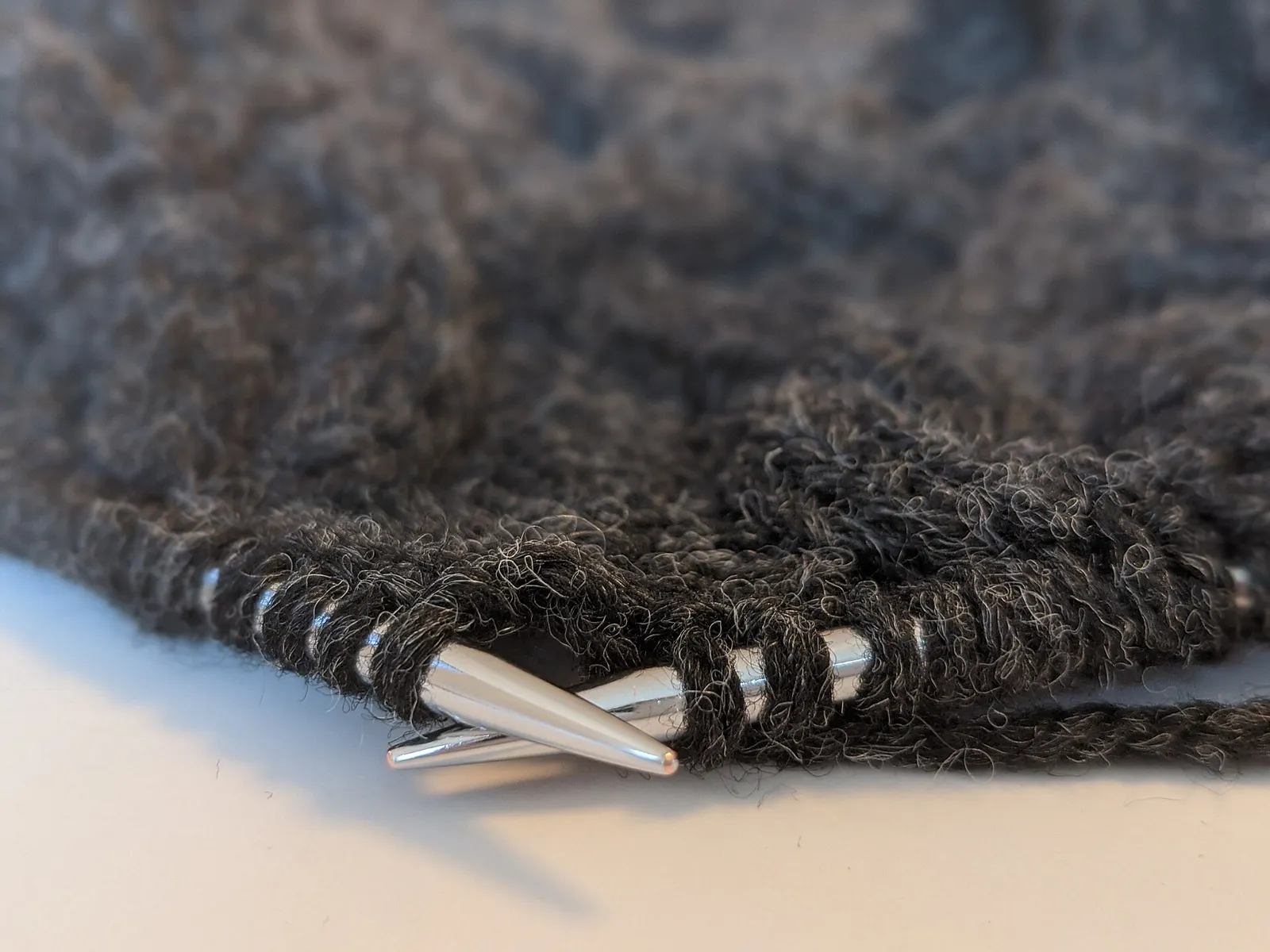
Knitting has a reputation for being slow to learn. The stitches themselves are not hard; there are only two, knit and purl, and everything else is a combination of them. What slows people down is usually kit that fights them: needles that are too thin, yarn that splits, or a first project that is far too big.
Needle sizes in the UK
Modern needles are sized in millimetres, which describes the diameter. You will also come across two older systems. Old British needles were numbered so that a bigger number meant a thinner needle, and American sizes use their own numbers again. A 4mm needle, for example, is an old UK 8 and a US 6. If you inherit a bag of needles from a relative, they may be marked in the old system. Our needle size chart lists all three side by side.
For learning, pick something between 4.5mm and 6mm. Thicker needles make bigger stitches that are easier to see and to get the needle tip into. A pair of 5mm straight needles with an aran-weight yarn is a comfortable place to start.
Straights, circulars or double-pointed?
Straight needles are the classic pair with a knob on the end. They are the simplest to learn on and fine for scarves, blankets in strips and anything knitted flat.
Circular needles are two short tips joined by a flexible cable. Many knitters switch to them early, because the weight of the work sits in your lap on the cable instead of on your wrists, and you can knit flat on them just as you would on straights. They come in cable lengths: around 40cm is the usual length for a hat knitted in the round, and 80cm suits a jumper body or a blanket. A 40cm circular and an 80cm circular cover a lot of patterns between them.
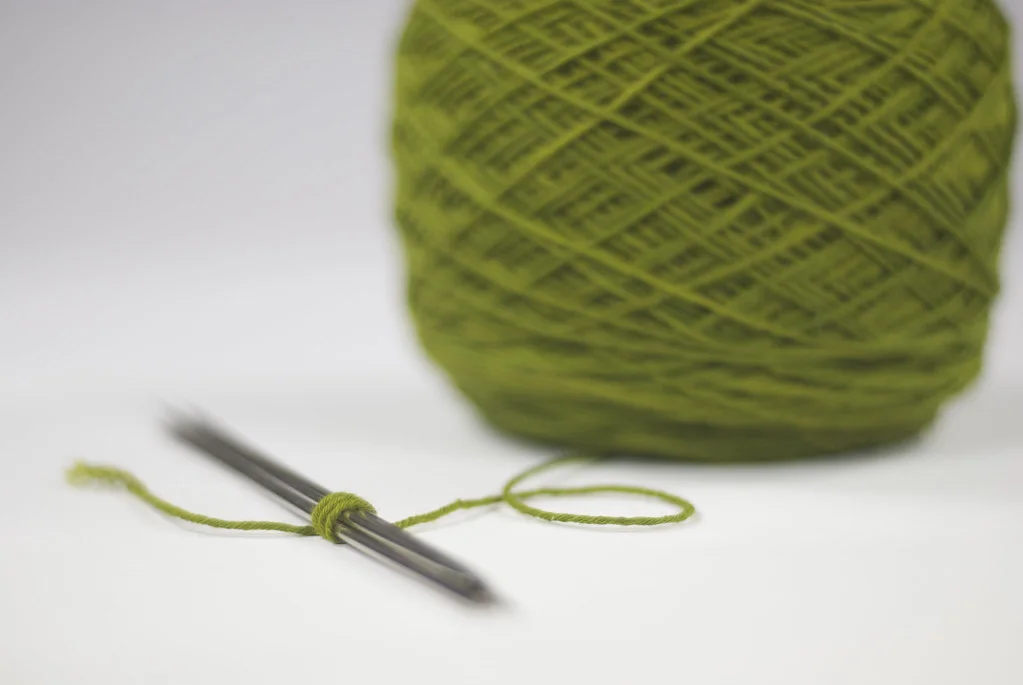
Double-pointed needles come in sets of four or five and are used for small tubes such as sock cuffs and the crown of a hat. Leave them until a pattern asks for them.
Material is personal. Metal needles are slick and fast; wooden and bamboo needles are a little grippier, which helps beginners whose stitches slide off the tips.
Choosing a first yarn
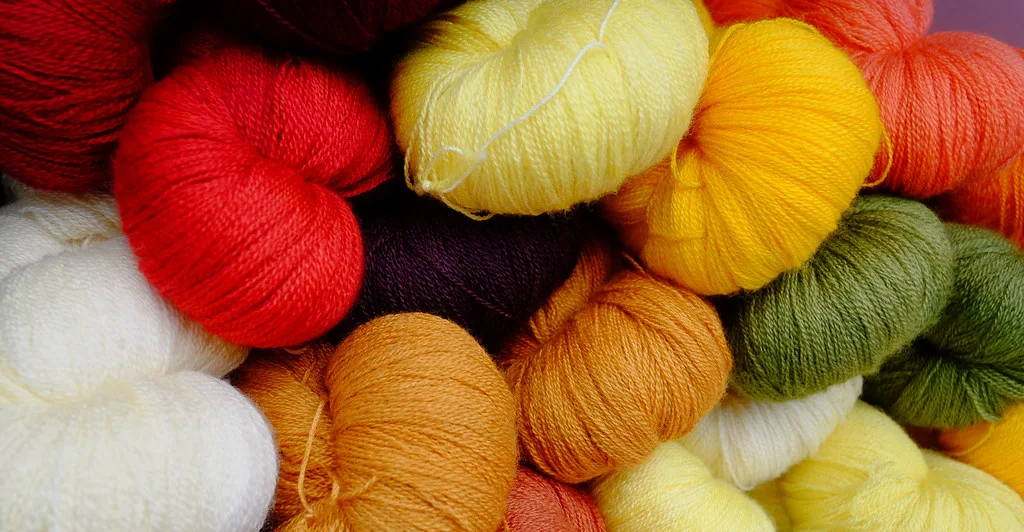
British yarn shops label yarn by weight: 4 ply, double knit (DK), aran, chunky and super chunky, from thinnest to thickest. For a first project, DK or aran is the sweet spot. Chunky is quick, but very thick yarn on very big needles can feel awkward to hold.
Look for a smooth yarn in a plain, light colour. Wool and wool blends are springy and forgiving of uneven tension; acrylic is cheaper and easy to wash. Either works. The ball band will suggest a needle size; use that as your starting point. Our community guide to yarn weights and fibres goes into more depth.
A first project you will finish
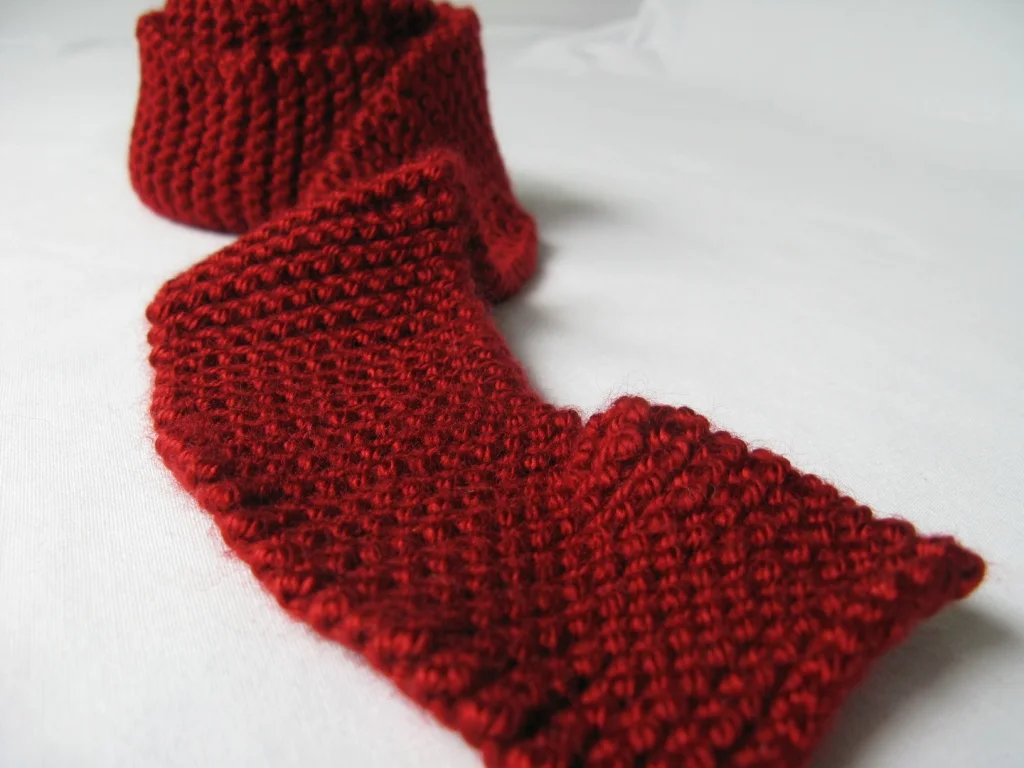
The traditional first project is a scarf. The trouble with a scarf is that it takes a long time, and a beginner's tension changes so much along the way that the two ends often look like different scarves. Something smaller teaches the same skills and gets finished:
- A garter stitch square. Knit every row until it is square. That is a dishcloth, a coaster, or the first square of a blanket.
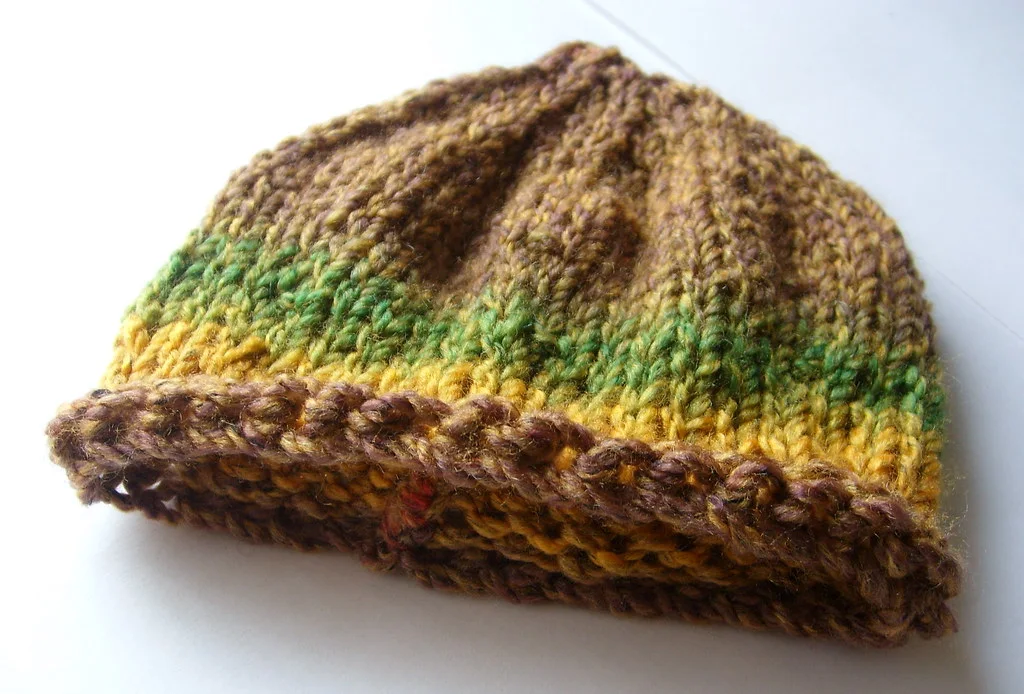
- A ribbed headband or simple hat. Our community has a two-evening chunky ribbed beanie knitted flat, which introduces purl stitches and seaming.
- A chunky cushion cover. Big yarn, big needles and a result you can use on the sofa. A kit like this chunky hand knitting cushion kit comes with matched yarn and instructions.
Tension, and why your first piece looks uneven
Every beginner's first piece has rows that are tighter and rows that are looser. It is normal, and it settles down with practice. Two things help: let the stitches sit on the thickest part of the needle rather than squeezed near the tip, and do not yank the yarn tight after every stitch. When a pattern later asks you to "check your tension", it means knitting a small square and measuring how many stitches fit in 10cm, so your finished jumper comes out the size the designer intended.
Keep a few stitch markers to hand as well. They mark pattern repeats and the start of a round, and they save a lot of recounting.
Learning the stitches
Our community guide Learn to knit this weekend covers casting on, the knit stitch and the purl stitch in order. If you find videos easier, watch one or two and then put them away and practise; it is easy to spend more time watching than knitting.
A local group is the quickest way to get unstuck. Someone at a knit and natter can usually spot a twisted stitch or a dropped one in seconds. See our tips on finding a craft group near you.
Buying more
When you are ready for more needles and yarn, our sister site Craft Shop Direct keeps a UK guide to knitting and crochet supplies, and its beginner's guide covers other crafts too. For friends in the US or Canada, CraftShop Direct's knitting page lists North American suppliers; note that US patterns call stocking stitch "stockinette" and casting off "binding off".
Then post your first finished piece on CraftingUK. We like seeing them.
Knitting kit we'd recommend
Pony
Pony Classic straight knitting needles, 25cm x 5mm
Plain aluminium straights in 5mm, a sensible size for learning with an aran-weight yarn.
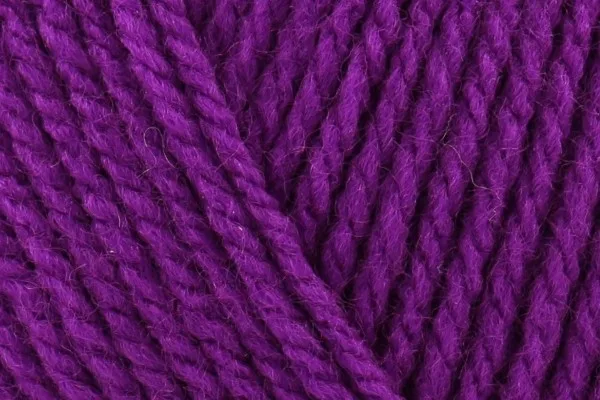
Hayfield (The Great British Yarn Company)
Hayfield Bonus DK, 100g ball
An inexpensive 100% acrylic double knit with 280m to the ball, sensible for practice swatches, charity knits and first jumpers.
KnitPro
KnitPro Zing fixed circular needles, 40cm x 3.5mm
A short 40cm circular, the usual length for knitting a hat in the round.
KnitPro
KnitPro Zing fixed circular needles, 80cm x 4mm
An 80cm circular in 4mm that works for blankets and jumpers knitted flat as well as in the round.
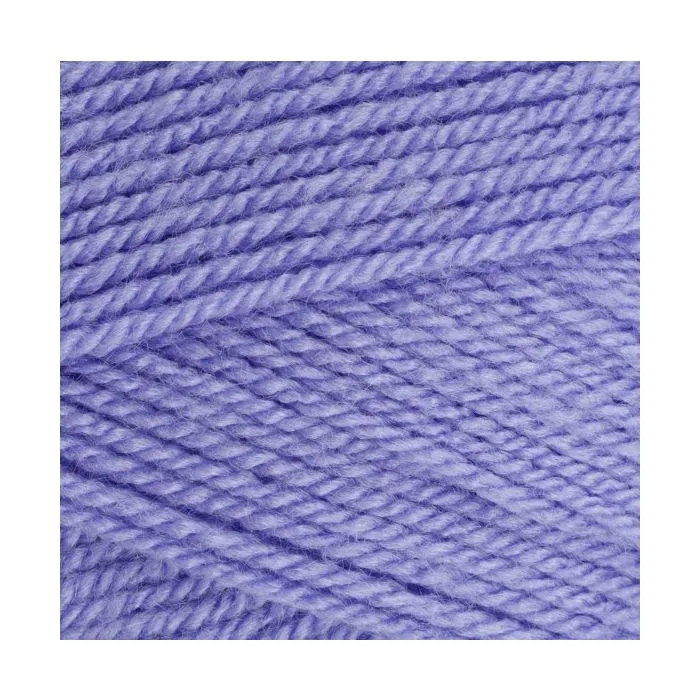
Stylecraft (The Great British Yarn Company)
Stylecraft Special Chunky, 100g ball
A chunky acrylic that knits up quickly on big needles, handy for hats, cowls and last-minute gifts.
Craft Buddy
Chunky hand knitting cushion kit, grey
A chunky-yarn cushion kit, a quick knit that gives a beginner something finished for the sofa.
Jatidne
120 locking stitch markers in a storage box
Locking markers in ten colours for marking the first stitch of a round, a pattern repeat or a place to pick up later.
FiNeWaY
FiNeWaY large knitting bag with clear lid
A zipped yarn bag with pockets for needles and hooks, so a project in progress can travel without unravelling.
Affiliate links. If you buy through these links CraftingUK may earn a small commission at no extra cost to you. As an Amazon Associate we earn from qualifying purchases. We pick the kit ourselves, nobody pays to be listed, and we hide anything the shop shows as out of stock when we check each day. Prices change, so check the shop before you buy.