Most crafters do not have one stash, they have several. A bag of yarn from a project you went off, a box of fabric bought "because it was lovely", card from a phase of stamping, and a drawer of kit for a craft you tried once. None of it is wasted until it sits there for years. Clearing crafts you are not going to use is not giving up; it is making room for the ones you are.
This is a simple order of work for clearing out craft supplies, whether you are tidying a craft room, downsizing, or helping a relative sort out a lifetime of making.
Step 1: get everything in one place
You cannot judge a stash you cannot see. Gather every bag and box into one room and sort by craft first, then by type: yarn by weight, fabric by size of piece, paper and card by colour, tools in one pile. It is usually more than you thought, and seeing it all at once makes the next decisions easier.
Throw away the things nobody can use as you go: dried-up glue and paint, felt pens that have given up, rusty pins, yarn that has been got at by moths. If you find moth damage, bag that yarn up and get it out of the house before you go further, and check the bags it was stored next to.
Step 2: decide what stays
A few questions are more useful than a rule about how much is "too much":
- Do you have a project in mind for it? A specific one, not "something one day".
- Would you buy it again today? If the answer is no, someone else will probably enjoy it more.
- Is it for a craft you still do? Tools for a craft you have moved on from are the easiest things to let go of, and often the most welcome elsewhere.
- Is it irreplaceable? Hand-spun yarn, fabric from a family member, discontinued colours. Keep those, and put them where you will see them.
Keep the "maybe" pile small. A sensible trick is to box it, write the date on it, and pass it on if you have not opened it in six months.
Step 3: use some of it up
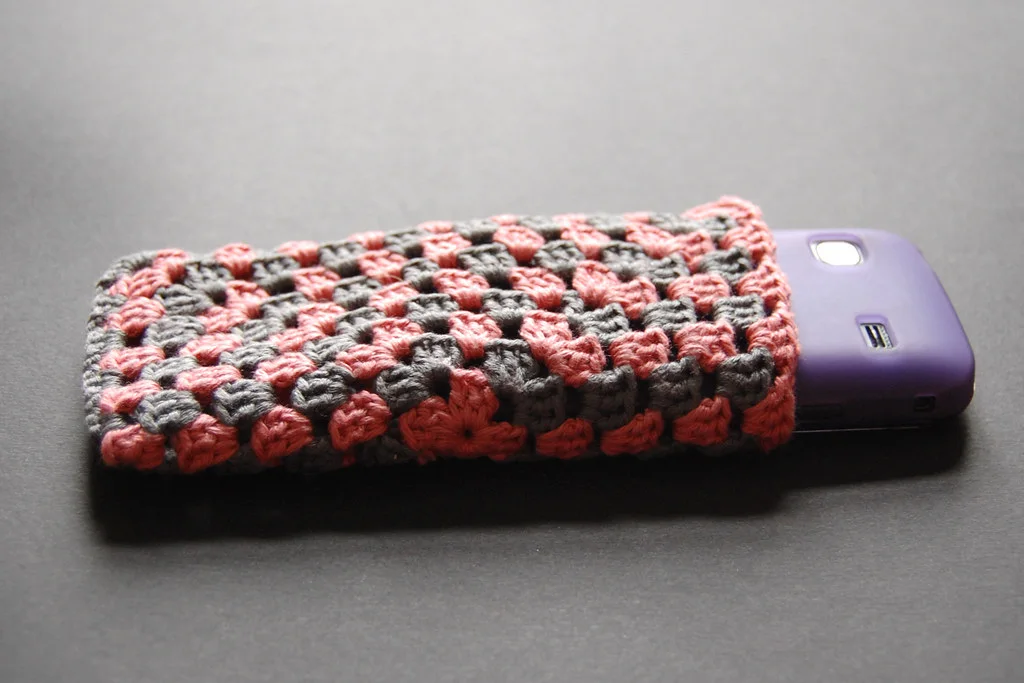
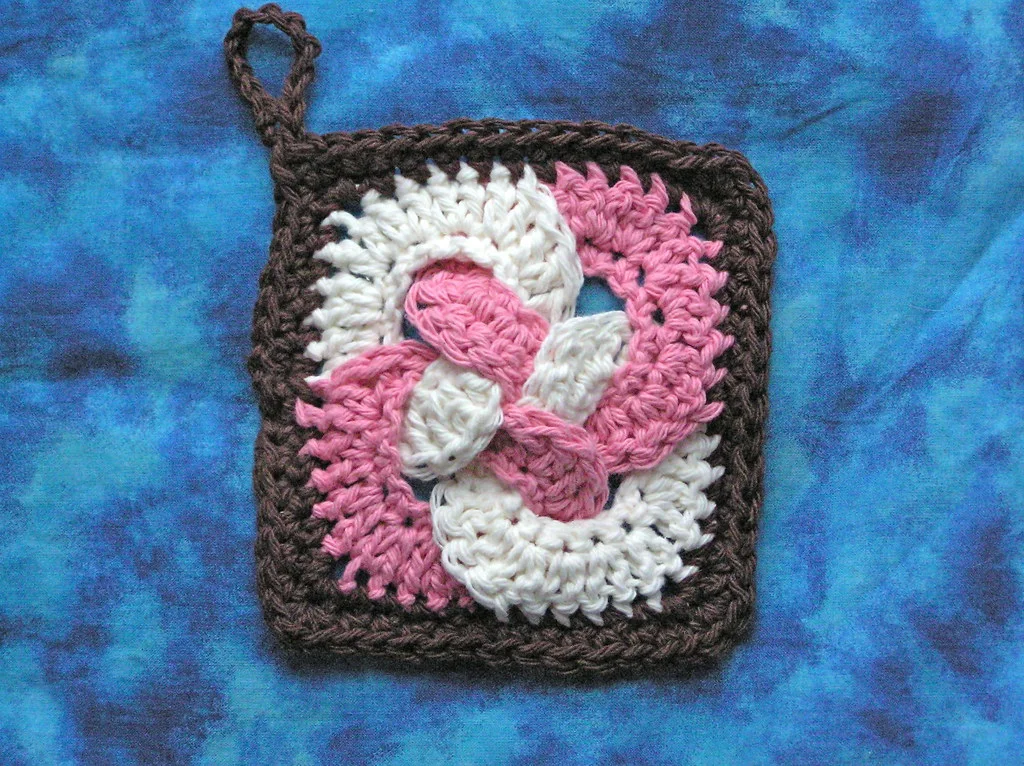
Before anything leaves the house, look for quick projects that turn leftovers into something finished. Odd balls of DK make granny squares, and a blanket of squares is the classic way to clear a yarn stash. Cotton ends become dishcloths. Short lengths of chunky or textured yarn are ideal for a frame loom wall hanging. Card and paper offcuts make gift tags and toppers. Our free patterns can be filtered by craft if you want more ideas.
Be realistic, though. One stash-busting project is satisfying; a list of twenty is just the stash in another form.
Step 4: sell what has value
Some supplies are worth selling: sewing machines, good scissors, die-cutting machines and their dies, full sets of needles or hooks, unopened kits, and full balls of quality yarn with their labels on. Partly used materials and scraps rarely are.
- Selling online: general marketplaces and local selling groups both work for crafts. Photograph each lot clearly in daylight, with the labels visible, and say exactly what is included. Our guide to photographing makes with a phone works just as well for supplies.
- Sell in lots: "10 balls of DK acrylic in blues" sells far more easily than ten single balls. Group by craft, weight and colour.
- Selling in person: some craft groups hold swap or sale tables, and craft fairs sometimes have a destash stall. If you already sell your makes, our guides to pricing handmade items and your first craft fair cover the practical side.
Check fees, postage and the platform's rules before you list. For low-value lots, the time spent packing and posting can be more than the item is worth, which is when donating makes more sense.
Step 5: swap or donate the rest
A lot of craft supplies are genuinely useful to someone else. Wherever you take them, ask first: places that take donations are often short of storage, and many publish what they can and cannot use.
- Craft and knitting groups. Groups often welcome yarn, needles and fabric, and some run swap evenings. Our guide on finding a craft group near you can help you track one down.
- Charity knitting and sewing projects. Groups that knit or sew for hospitals, shelters or overseas charities often need specific yarns or fabrics. Check their current requests rather than sending a mixed box.
- Schools, nurseries and playgroups. Card, paper, buttons, ribbon and felt are useful for children's crafts. Avoid sharp tools and very small items for younger children.
- Scrap stores. Some areas have a community scrap store that collects clean, reusable materials and passes them on to schools and community groups. Search for one near you.
- Charity shops. Many take craft supplies, though it varies from shop to shop. Bag yarn by colour or weight and label it, so it is easy to price.
- Friends and family. A quick message to people you know who make things is often the fastest way to rehome a whole craft.
Step 6: store what is left so it gets used
The point of clearing a stash is to be able to find things. Clear, lidded boxes labelled by craft beat opaque bags every time. Small parts such as beads, buttons and findings are easiest in a case of little lidded pots, and a project in progress stays together in a zipped bag with its pattern. If you want ideas on fitting storage into a small space, our sister site Craft Shop Direct has a craft storage guide.
Finally, give yourself a simple rule for the future, such as buying yarn for one project at a time, or finishing or passing on a kit before buying another. The stash will still grow, but more slowly.
Made something from your clear-out? Share it on CraftingUK. Stash-busting projects are some of the most cheerful posts on the site.
Storage for the stash you keep
Amazon Basics
Amazon Basics craft organiser with 16 inner cases
Sixteen small lidded boxes inside one carry case, for beads, buttons, gems and other small fiddly bits.
FiNeWaY
FiNeWaY large knitting bag with clear lid
A zipped yarn bag with pockets for needles and hooks, so a project in progress can travel without unravelling.
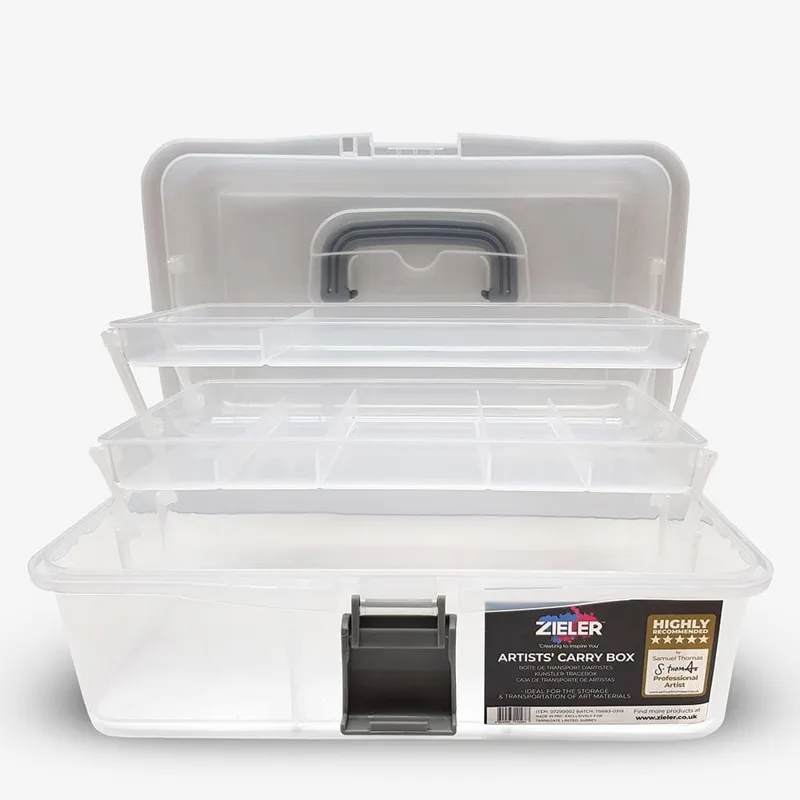
Zieler (ARTdiscount)
Zieler artists' storage caddy box
A translucent carry box with two folding trays and a deep base, for keeping brushes, pens and small tools together between home and class.
Affiliate links. If you buy through these links CraftingUK may earn a small commission at no extra cost to you. As an Amazon Associate we earn from qualifying purchases. We pick the kit ourselves, nobody pays to be listed, and we hide anything the shop shows as out of stock when we check each day. Prices change, so check the shop before you buy.