Your first pair of socks: a plain-English roadmap
Cuff, leg, heel flap, gusset, foot, toe. What each part does, which method to pick, and where beginners get stuck.
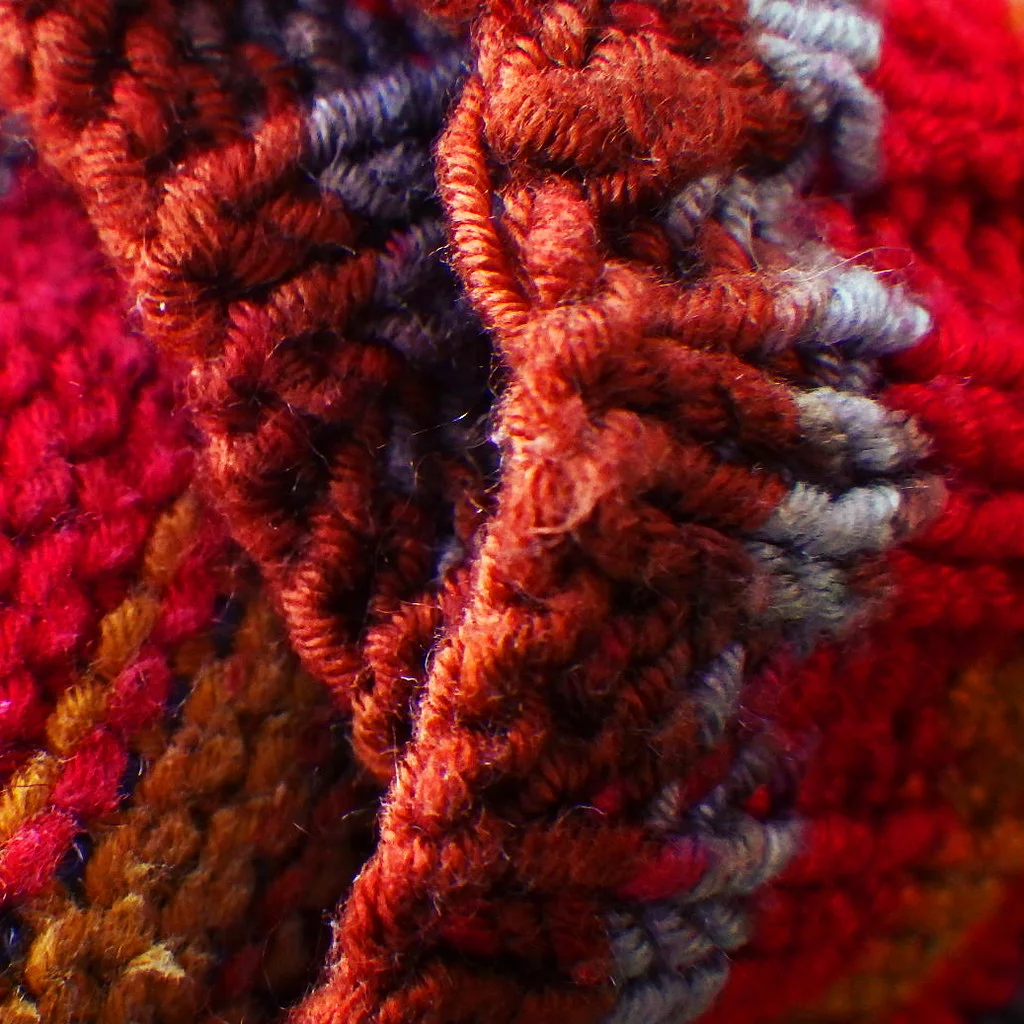
Hand-knit socks are the thing that turns knitters into evangelists. The first pair is a puzzle; the second is a habit. Here's the map.
Choose your needles
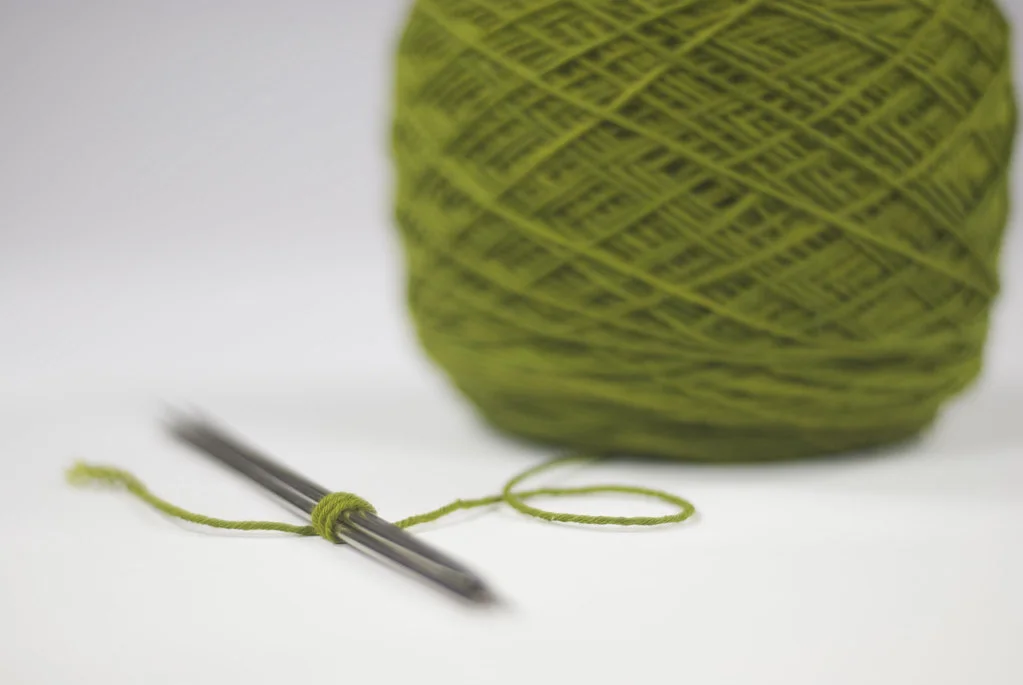
- Double-pointed needles (DPNs): traditional, four or five short needles. Fiddly for the first inch, then fine.
- Magic loop: one long circular needle folded in half. No needle-change ladders, and only two ends to lose.
- 9-inch circulars: tiny circular needles, fast but hard on the hands for some.
Try magic loop first if you already own a long circular.
Anatomy of a top-down sock
- Cuff: 1x1 or 2x2 rib for 3–5cm so it stays up.
- Leg: stocking stitch (or a pattern) for as long as you like.
- Heel flap: worked back and forth on half the stitches, usually in slip-stitch heel stitch for padding.
- Heel turn: short rows that cup the flap around the heel.
- Gusset: pick up stitches along the flap edges, then decrease every other round to get back to your foot count.
- Foot: plain rounds until about 5cm short of your toe.
- Toe: decrease at both sides every other round, then graft with Kitchener stitch.
Yarn matters
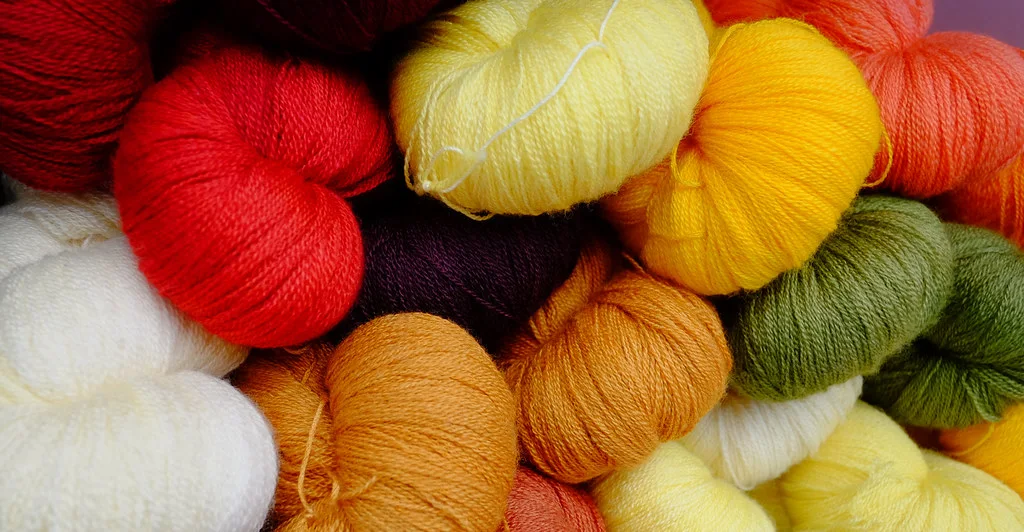
Sock yarn should be 4 ply with 20–25% nylon. Pure merino feels lovely and wears through in a month. Self-striping yarn makes plain socks exciting and hides uneven tension.
Where people get stuck
- The heel turn looks like nonsense on paper. Just follow it row by row; it works.
- Picking up gusset stitches: pick up one for every slipped edge stitch, plus one extra in the corner to close the gap.
- Kitchener: set up with the two needles parallel, follow "knit off, purl on, purl off, knit on" and you're done in five minutes.
- Second sock syndrome: cast on the second sock the same day you finish the first.
Fit
Measure the foot around the ball and knit the sock 10% smaller than that. Socks should have negative ease, or they'll slop about in your shoe.
Start with a plain vanilla sock in self-striping yarn. Then post them here with your feet in them; sock photos are a tradition.
0 comments
Log in to join the conversation.